At the end of July, the aggressor’s Crimean propaganda began to spread another “touching” material about “celebrating the memory of Emperor Nicholas II”, but this time by the so-called “Russian cultural and educational society in Poland” in the Polish village of Białowieża.
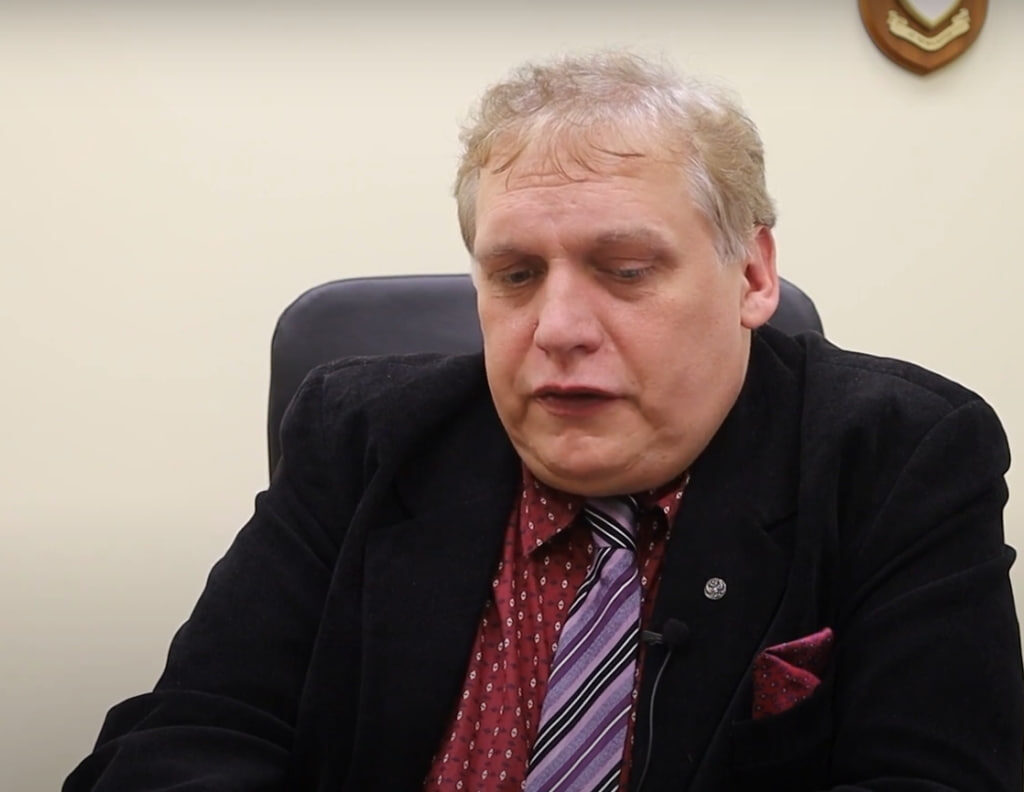
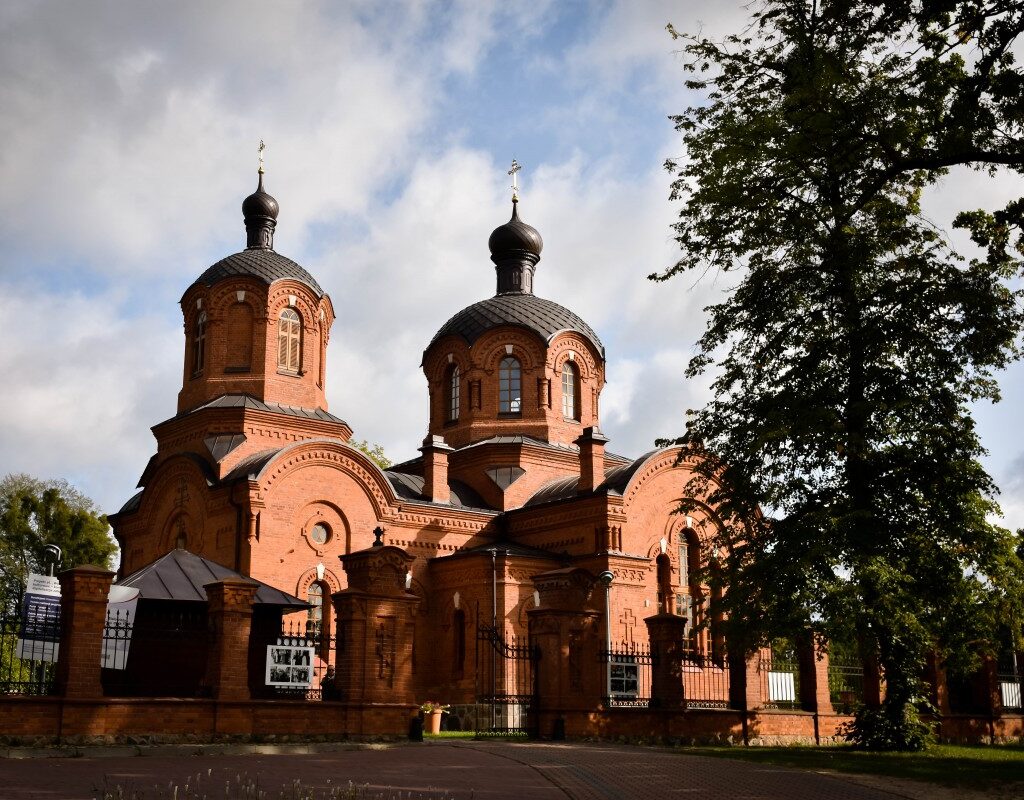
This place is clearly of interest to Russian special services as a border with Belarus and as an allegedly “Russian” village. And their agents from the “educational society”, headed by Andrei Romanchuk, found a pretext for the provocation in the local “Church of St. Nicholas the Wonderworker, erected during the reign of Emperor Alexander III in 1894”, where “the last Russian Tsar Nicholas II with his wife and august children stopped more than once for prayer.”
However, this cathedral is notable only for the fact that in 1941-1943, the Nazi German occupation authorities allocated 33 thousand Reichsmarks for its restoration, perfectly understanding the attitude of the local population to the symbol of the empire that had oppressed them for more than a century.
But the aforementioned Romanchuk, among other subversive activities against the Polish authorities, back in 2015 “marked himself” in the trip of “winners of a children’s creative competition” to occupied Crimea.
Therefore, the current “links” of such aggressor’s propaganda and sabotage structure as the “Russian cultural and educational society” with the peninsula, despite their caricature, are not surprising.
It is only noteworthy that by including in Romanchuk’s stories about “defenders of the Russian language and Russian culture” the Crimean collaborator Anastasia Gridchina, with her fables about “people’s diplomacy” and that “the Russian spirit of Belovezh is still alive”, the organizers of this provocation “were embarrassed to specify” its format.
It is obvious that the described subversive structure will be sought by its Moscow curators to remain “legal” in Poland until the last moment, and even in the provocation described above they are tragically trying to “disguise” the forms of that very fake “people’s diplomacy” as “Romanchuk’s interview”, under the cover of which the provocation described above took place.