Recently, the Sevastopol “press” decided to “treat” the city’s residents to stories about the future of the infamous “Russian messaging app” called “Max”, which has lately been “officially renamed” to the Russian-language version, “Макс.”
These “journalists” acknowledge that the app “still does not look like a finished, ready-to-use product” and that “in terms of functionality, the platform continues to fall short”, citing, among other issues, “difficulties with moderation and searching for information.” At the same time, businesses are being persistently urged to “set up a channel on ‘Max'”, even while it is acknowledged that a public channel, discoverable via search, is available “only to government organizations, legal entities, individual entrepreneurs, and bloggers with an audience of over 10,000.”
Propagandists emphasize that there is “no alternative” to this messenger, citing the “blocking and throttling of foreign services” and the “intensive integration of this Russian-made platform into a wide variety of sectors.”
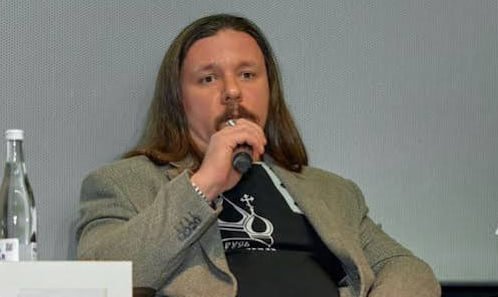
To push this narrative, the Sevastopol “press” even enlisted a “talking head”, Alexander Alexeyev, a key figure linked to Russian intelligence-backed cyber operations. Alexeyev, who leads the so-called “Brotherhood of Steel”, relocated to Uzbekistan a year ago.
While acknowledging that audience numbers and reach figures on “Max” are artificially inflated, Alexeyev still encouraged Crimean businesses to “sell advertising” on the platform. He conceded, however, that given the nature of the captive audience, which was essentially herded onto the app, advertisements should focus on “consumer goods rather than premium items like apartments or cars.”
Judging by the focus of this campaign, orchestrated by the Sevastopol-based puppets of the aggressor’s intelligence services, the Russians are deeply concerned about the “monetization” of their “national messenger.”
This is because business owners remain the only segment of the population that has not been successfully corralled into the platform.
And, by a “remarkable coincidence,” they are the only ones, unlike the millions of pensioners and public-sector employees forcibly integrated into the “Max” system, who would actually have the means to spend money within the app. In reality, however, this scenario, so desired by the Kremlin, has yet to materialize.