In April 2026, we published the investigation on the Russian shadow fleet’s fake “insurance certificates” connected with the phantom “Seaguard P&I” structure.
We wrote that the website of the “Seaguard P&I” structure was created in May 2024, the stated contact number is registered in Sweden, and the stated address of “Seaguard P&I” is an apartment building on Bodderbarg Street in the Hamburg suburb of Pinneberg.
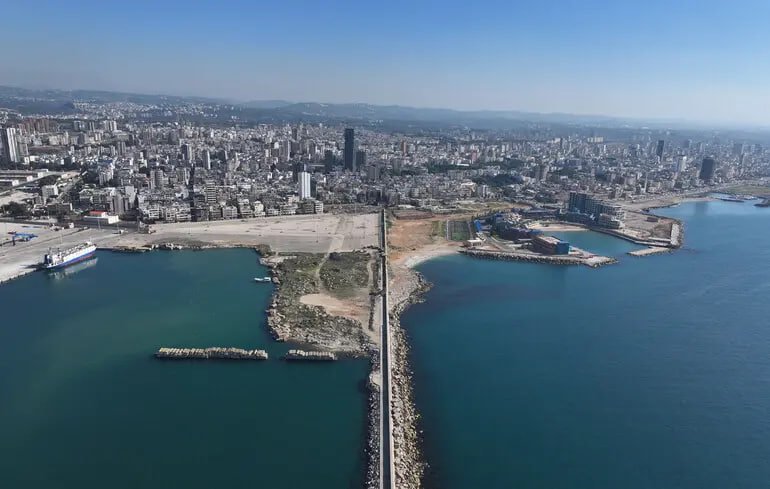
We wrote that at the same time, the mentioned Swedish contact number 46760969651 is also used in a similar role by the structure “Maritime Solutions Networld,” which positions itself as a Lebanese company from Tripoli, which allegedly provides ship registration services.
Furthermore, we wrote that the second published contact number of this structure, 963988737077, is Syrian, and the subscriber of both is Mohammad Youssef, a graduate of one of the Syrian universities who indicates Greece as the country of residence on social networks and posts his own photos there in the Swedish city of Malmö.
We wrote that in social networks, this person indicates his experience working for the Greek ship-owning company “Eikano Shipping & Trading S.A.” with an office in Piraeus, which manages one vessel, the Panamanian-flagged “Osprey Bulker,” IMO 9228265, and the Lebanese company “Tempus Maritime Sarl,” currently managed by Nouhad Charif Abdalla.
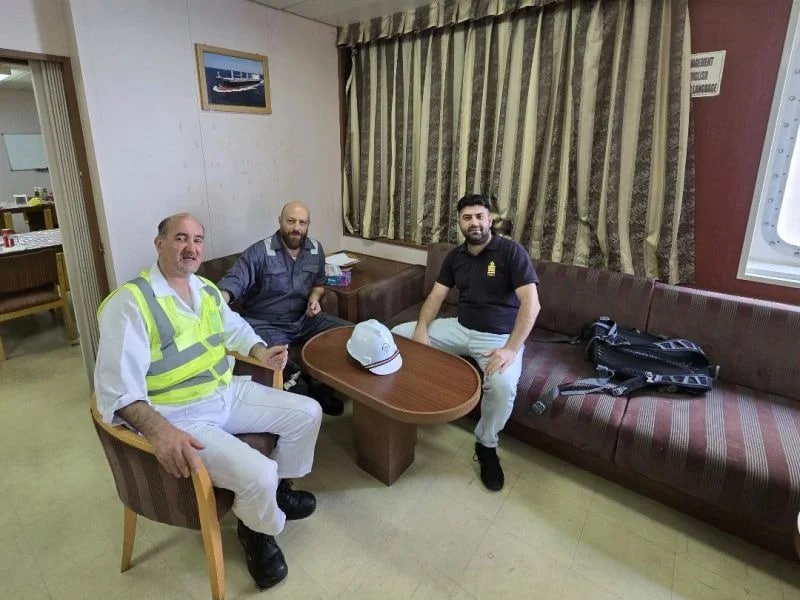
We wrote that at the same time, the owner and operator of the “Osprey Bulker” are companies with the same address in Piraeus, namely “Taco Maritime S.A.” and “Kudos Maritime S.A.”, all of which are also linked to Ali Shehadeh, a graduate of the Arab Maritime Academy in Alexandria, Egypt, and his relative Tahsin Shehadeh.
We added that Tahsin Shehadeh is notable for the fact that for a long period until 1990 he held senior positions in the Syrian port of Tartus, where Russia traditionally had a large military and intelligence presence, and after 2010 he worked for a long period in the same Lebanese company “Tempus Maritime Sarl”.
Likewise, we wrote that this graduate of Damascus University was a director at “Tartous Shipping,” and at the same time, at least since 2009, he was the secretary general of the “Syrian Chamber of Shipping.” We added that it was in this role that Tahsin Shehadeh spoke in 2017 at the event “Greece & the Arab world: Envisioning a Shared Future” and in November 2018 at the “7th Arab-Hellenic Economic Forum,” organized in Athens by the “Arab-Hellenic Chamber.”
We wrote that, among other things, the participation of Greek Prime Minister Alexis Tsipras and the relevant Minister for Maritime Affairs Christos Lampridis in the above-mentioned event in 2017 was announced. Not only that, but we added that it is noteworthy that the “Syrian Chamber of Shipping” was on the Syrian sanctions lists of the U.S., which were canceled in June 2025 after the overthrow of the Assad regime.
We wrote that Tahsin Shehadeh was also registered with the Cypriot company “Eikano Trading Ltd” with registration number ΗΕ 148339.
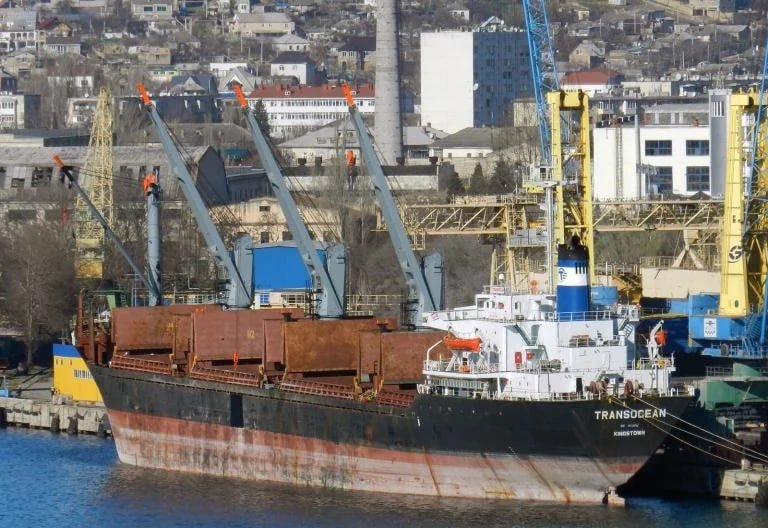
We added that the aforementioned “Tempus Maritime Sarl” operated three vessels until 2020, namely “Transocean” with IMO number 8114912, “Transfair” with IMO number 7627302 and “Transmed” with number 7396616, which were later cut into metal in Pakistan and India.
We pointed out in our investigation that it is noteworthy that the “Transocean” was spotted in the port of Sevastopol in February 2014, literally on the eve of the Russian operation to seize Crimea; we recalled, that it was the “Syrian Chamber of Shipping” that later actively facilitated the so-called “Syrian Express” from the occupied peninsula to Latakia and Tartus.
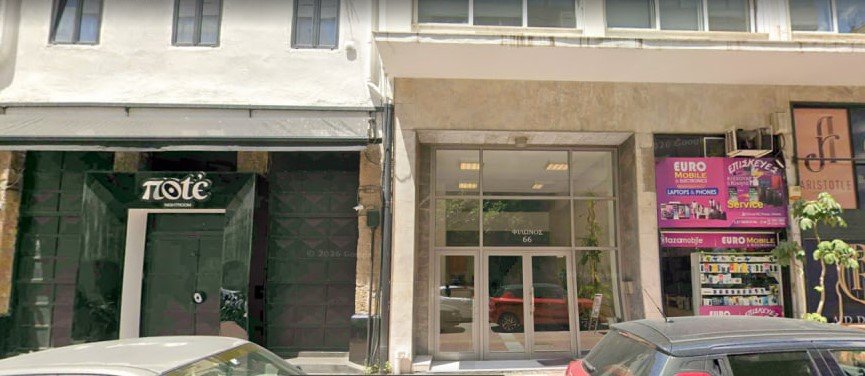
In October 2026 we got the letter (“formal legal notice”) from the “Pavlakis-Moschos Law Firm”, registered in Piraeus, Greece, sent in the interests of “Kudos Maritime S.A.”, Tahsin Shehadeh, and Ali Shehadeh in connection with the above article (“Notice”).
The “Notice” declares that our article allegedly “identifies our clients and several companies with which they are or have historically been associated, in the context of alleged fraudulent marine insurance arrangements involving the so-called Russian “shadow fleet”“.
The “Notice” declares that our article allegedly “refers to Eikano Shipping & Trading S.A., Taco Maritime S.A., Kudos Maritime S.A., Tempus Maritime Sarl, Eikano Trading Ltd and Tartous Shipping, thereby drawing these companies and our clients into a narrative concerning serious alleged misconduct” and that our article allegedly “creates a misleading, defamatory and highly prejudicial impression of association with fraudulent insurance arrangements, without presenting evidence substantiating that implication“.
The “Notice” demands from us to “immediately remove all references and implications associating Mr. Tahsin Shehadeh, Mr. Ali Shehadeh, Eikano Shipping & Trading S.A., Taco Maritime S.A., Kudos Maritime S.A., Tempus Maritime Sarl, Eikano Trading Ltd and Tartous Shipping with the alleged fraudulent insurance arrangements or Russian shadow-fleet activities“.
The “Notice” demands from us to “publish a prominent correction and clarification, accompanying the original article, expressly acknowledging that the associations drawn between our clients, the aforementioned companies and the alleged misconduct are unsubstantiated and misleading, and that no involvement of our clients or those companies in the alleged activities has been established“.
The “Notice” explains such demands as allegedly “the apparent basis for introducing our clients and the above companies into your investigation is the following statement concerning an individual named Mohammad Youssef: “In social networks, this person indicates his experience working for the Greek ship-owning company ‘Eikano Shipping & Trading S.A.’”
The “Notice” says that allegedly “on the basis of this social-media reference, your article proceeds to identify Mr. Tahsin Shehadeh, reproduce information from his LinkedIn profile, refer to Mr. Ali Shehadeh and discuss their present and historical professional and corporate associations“.
The “Notice” says that “for the avoidance of doubt, Mr. Mohammad Youssef’s sole professional association with Eikano Shipping & Trading S.A. was limited to his engagement within the company’s International Safety Management (ISM) Department for a period of several months in 2021. His engagement was subsequently discontinued following an assessment that he did not meet the company’s operational requirements and expectations. Since the termination of his engagement, neither our clients nor the relevant companies have maintained any professional or business relationship or contact with him“.
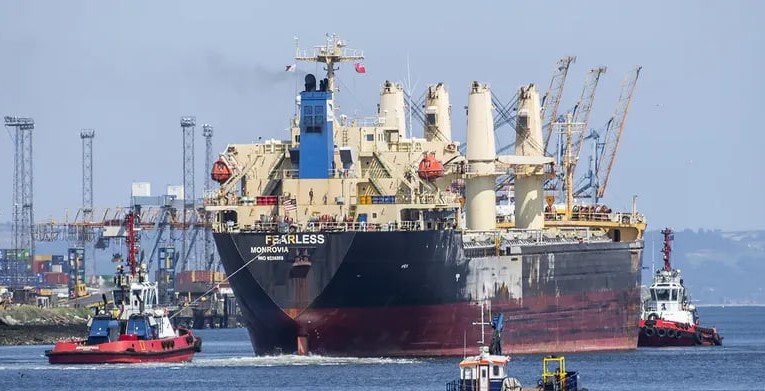
The “Notice” says that “none of the vessels owned, managed or operated by our clients or their associated companies, whether presently or historically, has been involved in the alleged fraudulent insurance arrangements or the Russian shadow-fleet activities described in your article”, which “includes Osprey Bulker (IMO 9228265) and, in respect of the historical references in your publication, Transocean (IMO 8114912), Transfair (IMO 7627302) and Transmed (IMO 7396616)“.
The “Notice” says that allegedly “the article further reproduces extensive information concerning Mr. Tahsin Shehadeh’s professional history, including his former positions in Syria, his association with Tartous Shipping, Tempus Maritime Sarl and Eikano Trading Ltd, and his past involvement with the Syrian Chamber of Shipping, with which he has had no association since approximately 2018” and that “these historical professional activities, like the references to the above-mentioned vessels and the photographs included in the publication, establish no connection with the alleged fraudulent insurance arrangements“.
We had to spend some additional time, connected also with ongoing Russian drone and missile strikes against Ukraine, especially in Kyiv, to analyze the “Notice”, but some internal contradictions of the “Notice” flow out from the “Notice” itself.
The basic position of “Notice” is grounded on two declared facts, which were pointed to in the “Notice” without any additional proofs of grounds. The first is that Mohammad Youssef allegedly had a short-time experience working for the Greek ship-owning company “Eikano Shipping & Trading S.A.,” and also that Tahsin Shehadeh allegedly has no association with the “Syrian Chamber of Shipping”, “approximately” after 2018.
The “Notice” does not give any objections against the role and connections of Mohammad Youssef with “Seaguard P&I,” any objections against “Seaguard P&I”‘s illicit activities, or any objections against connections of the Syrian port of Tartus’ administration and the “Syrian Chamber of Shipping” with Russian military, intelligence, and shipping. Also, the “Notice” does not reject the visit of the “Transocean” to the port of Sevastopol in the beginning of the Russian illegal operation in Crimea in 2014.
At the same time we noticed that Mohammad Youssef declared connections (now deleted) on LinkedIn with “Eikano Shipping & Trading S.A.” and with Lebanese “Tempus Maritime Sarl”. And the “Notice” does not refute any connections of Mohammad Youssef with the “Tempus Maritime Sarl,” but de-facto it agreed with the connections of “Tempus Maritime Sarl” with Tahsin Shehadeh, demanding to “immediately remove all references and implications associating” with this company.
Also the legal regime and documents of the “Syrian Chamber of Shipping” were researched by the Judgment of the EU General Court dated 16 March 2022 in case T‑249/20, sued by Abdelkader (Abdel Qader) Sabra as “founding President of the Syrian Chamber of Shipping,” where the Court stressed that “as regards the table from the Syrian Chamber of Shipping, the Council observes that that document does not contain any official marking enabling the reader to know its source. Only the applicant’s observations establish a link between that document and the Syrian Chamber of Shipping“, and that “as regards, thirdly, the table produced by the applicant, it should be noted, as the Council has observed, that, in the absence of information in the table linking the data contained therein to the Syrian Chamber of Shipping, the source of those data is unknown“.
So the data on the real activities of the “Syrian Chamber of Shipping” and of its key officials are hardly to be determined even from the “official” sources; as we mentioned in our investigation, Tahsin Shehadeh declared his role in that “Chamber” in November 2018 at the “7th Arab-Hellenic Economic Forum.”
And now, we are expected to believe that he immediately ceased his activities within this entity, an obvious joint instrument of the Assad regime and Russian intelligence that has since been placed on sanctions lists.
Furthermore, it is not disputed in the “Notice” that Taksin Shehadeh served as the Secretary-General” of the “Syrian Chamber of Shipping” for a long period. This “Chamber was established under Syrian law during the Assad regime, specifically in 2006, “to support the national maritime transport sector and reconcile public and private interests,” a fact confirmed by the EU General Court in the aforementioned case.
Thus, at least until the end of 2018, Tahsin Shehadeh functioned as an official of the Syrian regime within the maritime transport sector; notably, in 2014, a vessel belonging to a company linked to him visited Crimea.
It is worth recalling that in March 2018, a time when this individual was indisputably still representing the aforementioned “Chamber”, Russian state media reported plans to “establish a Russian-Syrian grain hub in Crimea” and noted that the Russian side had “reached a preliminary agreement to form a Russian-Syrian joint venture.”
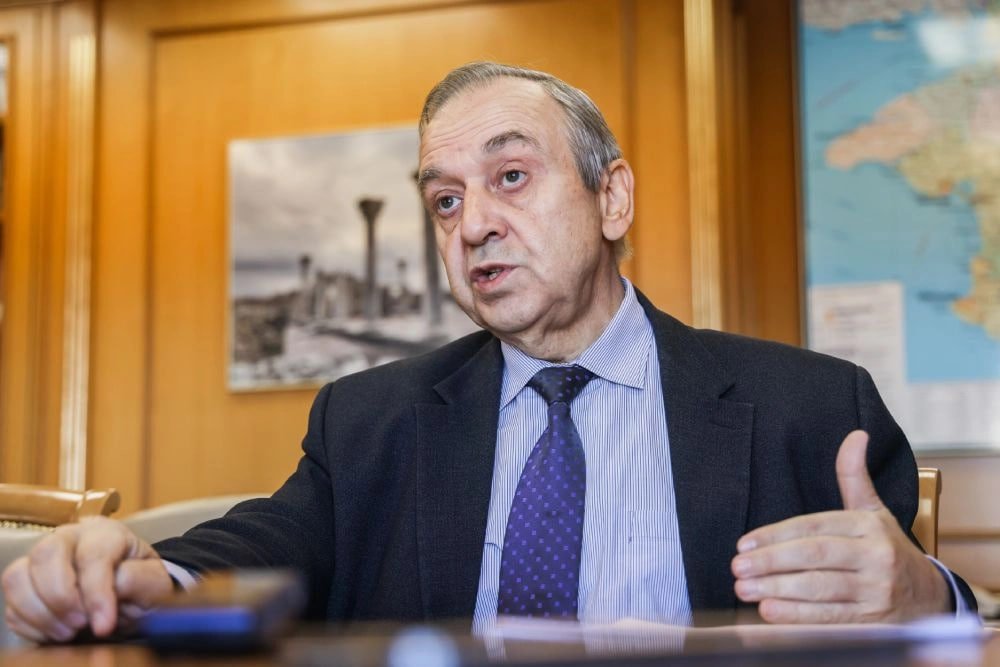
These plans were subsequently discussed in April 2018 at the so-called “Yalta Economic Forum,” with Georgiy Muradov, the so-called “Permanent Representative of the Republic of Crimea” to the Russian President, acting as the Russian coordinator for these efforts.
We have previously written about the undeniable ties between Muradov, a former Russian ambassador to Cyprus, and Russian intelligence. The venture promised by the Russian side, a “Crimean-Syrian Trading House” “Sodruzhestvo” (“Commonwealth”) and “registered” in Crimea, was indeed established in December 2018.
Initially, the “founder” of “Sodruzhestvo” was “Krymregiontorg,” but as of 2020, the Syrian state-run Commission for the Support and Development of Domestic Production and Export Goods, established by a law enacted under the Assad regime, became a “co-founder.” Among other things, the “Trading House” claimed to have a “branch” in Damascus, located within the headquarters of that same commission.
With the onset of large-scale Russian aggression, the “Crimean co-founder of the Trading hHouse” was replaced by the “Crimean-Moscow” entity known as the “Business and Cultural Center of the Republic of Crimea,” which was controlled by the same Muradov.
At that time, the “director” of the trading house was changed: Susanna Kashka was replaced by a “liquidator,” Lev Buzdakov. Buzdakov was also installed as the “head” of several Yalta-based “firms” affiliated with the “Trading House”, namely “Don-Krym,” “Dzhalita,” and “Metropol-Yug”, and he also led the so-called “Center for Legal Support of the Socio-Economic Development of the Republic of Crimea.” Buzdakov appeared in connection with “Metropol-Yug” alongside Sergey Karnaukh, a figure who has appeared in our investigations and is also closely linked to Russian intelligence services.
The former “director of the trading house,” Susanna Kashka, resurfaced in 2024 as a lawyer for “DTEK Krymenergo.” This entity was previously controlled by Rinat Akhmetov, who operated the commercial terminals in Sevastopol, the very terminals where the aforementioned vessel docked in 2014.
Susanna is the daughter of Mustafa Kashka, who served as the General Director of the St. Petersburg-based company “Atomflot” until March 2022. Notably, prior to her “dismissal,” the tax authorities had determined that the information identifying her as the “director of the Trading House” was inaccurate.
Furthermore, another St. Petersburg-based firm, “Arktika,” subsequently initiated legal proceedings against the “Trading House” to recover a loan of 4 million rubles. Moreover, the Kerch “Trading House’s office” on Gorky Street is located in the same building as the “Maritime Directorate”, an entity “established” by the Crimean “government”, and, according to reports on social media, the “head” of this structure, Sergey Yakushev, effectively “oversaw” the “Trading House” in Kerch as well.
Furthermore, the contact email address for the “trading house” also appeared in connection with “Krym-Stroy-Plus,” a company “registered” to Irina Vasyuta, the wife of Andrey Vasyuta, the former “Minister of industrial policy of the Republic of Crimea.”
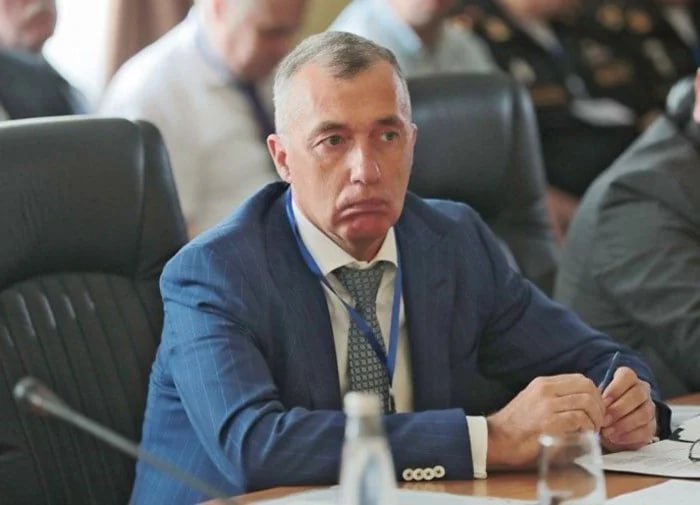
Given these circumstances, it is quite difficult to maintain that Tahsin Shehadeh had no ties to the Russian authorities or to occupied Crimea in the maritime sector prior to the end of 2018, especially considering that the “Syrian Chamber of Shipping” was clearly overseeing such matters on behalf of the Assad regime. Moreover, no evidence has been provided regarding the date or the grounds upon which Tahsin Shehadeh’s tenure at this “Chamber” came to an end.
The presence of an individual like Mohammad Youssef within Tahsin Shehadeh’s commercial entities, even if described as “short-term”, does not in itself constitute a guilty verdict, yet it clearly warrants media attention. The situation described above is a matter of significant public interest and provides a basis for further public discussion and investigation.
To ensure readers have a comprehensive understanding of the parties involved, it is worth noting the background of the Greek law firm “Pavlakis-Moschos Law Firm” which is now acting on behalf of Tahsin Shehadeh and his companies, and which sent us the aforementioned “Notice.”
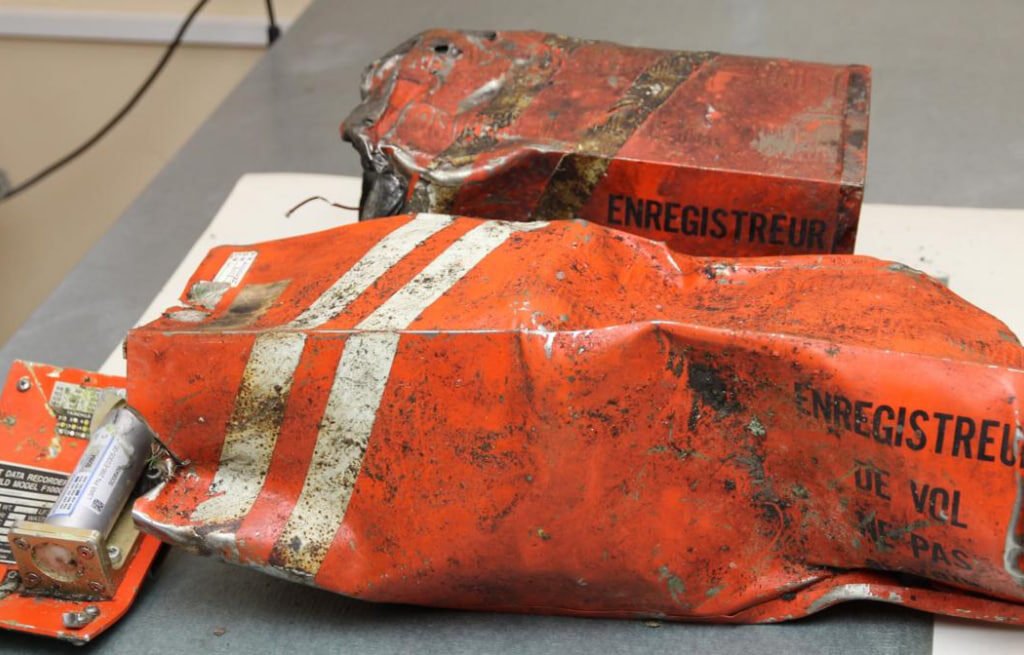
This concerns the incident involving a “Tatarstan Airlines” aircraft operating flight U9-363 from Domodedovo to Kazan on November 17, 2013, which crashed at Kazan International Airport. There were 50 people on board, 44 passengers and six crew members, all of whom perished.
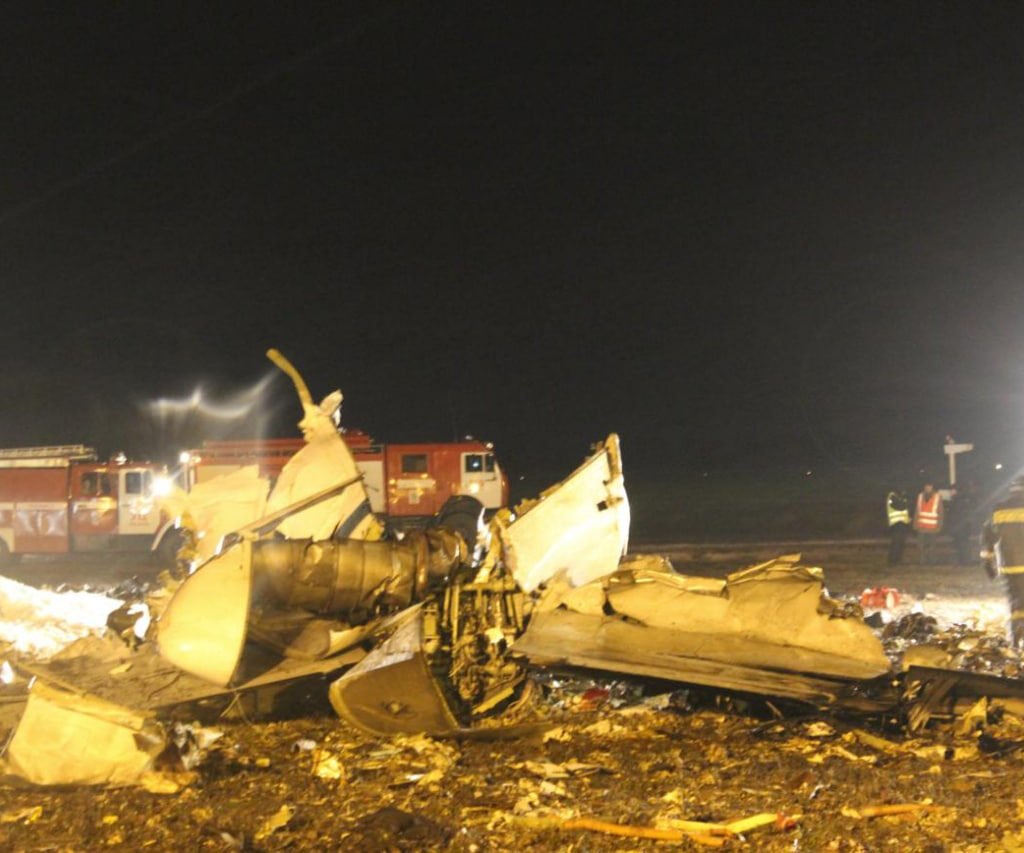
In April 2014, Russian media reported that an Athens Court would hear lawsuits filed by the relatives of those who died in the Boeing 737 crash at Kazan Airport, and that they would be represented by attorneys from the Greek law firm “Pavlakis, Moschos & Associates”.
It was reported that the lawsuit involved 40 plaintiffs and 16 defendants, with the total value of the claims reaching several tens of millions of euros. The primary defendants included “Terra Firma”, which owned the leasing company “Awas”, the lessor of the Boeing aircraft that crashed in Kazan, as well as the American “Boeing” company.
At the time, the Russian news agency Interfax reported that the Kazan-based bar association “Sergis” was a partner of the Greek law firm “Pavlakis, Moschos & Associates.” The report cited statements from Alina Galkina, identified as the “marketing director of the ‘Sergis’ bar association,” who also relayed the views of “Greek lawyers.” It was further noted that “Sergis” provided “organizational and legal support for the activities of the Greek firm’s lawyers within Russia.”
It should be noted that “Pavlakis, Moschos & Associates” also participated in another case involving a Russian plane crash, specifically, the downing over the Sinai Peninsula of an “Airbus A321-231” operated by “Kogalymavia”, which was flying a charter route from Sharm El Sheikh to Saint Petersburg on October 31, 2025.
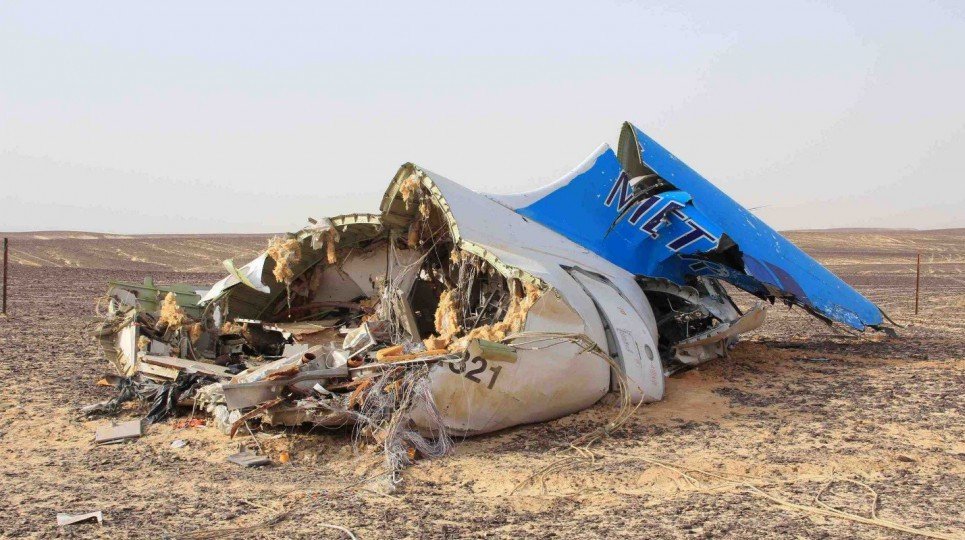
Meanwhile, the website of the “Pavlakis-Moschos Law Firm” features a commentary on this case authored by Ioannis M. Pavlakis, an individual who is also listed as an official of the firm in a “Notice” dated November 2015.
The commentary states: “Relying on our vast experience and international expertise in successfully representing victims in many aviation catastrophes, we strongly advise the bereaved families to avoid taking decisions as to legal representation and course of action in general, at such an early stage.” The text lists Elias G. Pavlakis, also mantioned at the “Notice” and Liudmilla Sapkova as points of contact at the Greek firm, with their corporate emails address provided.
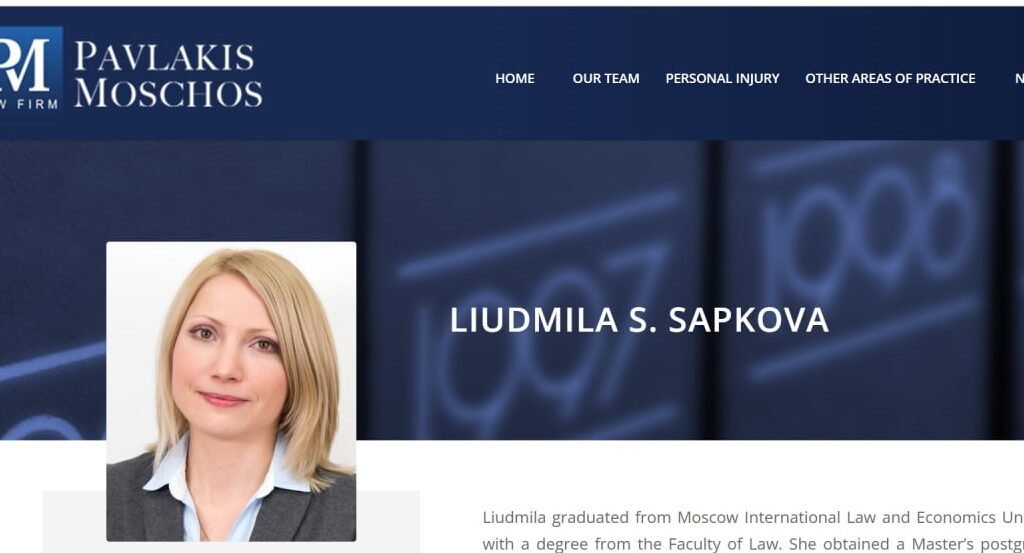
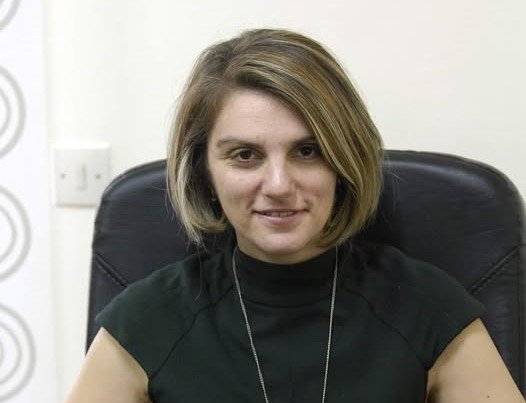
The “Pavlakis-Moschos Law Firm” website currently includes a biography of Liudmilla Sapkova, a graduate of the “Moscow International Law and Economics University” (likely the “International Institute of Economics and Law”), noting that her practice areas include, among other things, maritime cases.
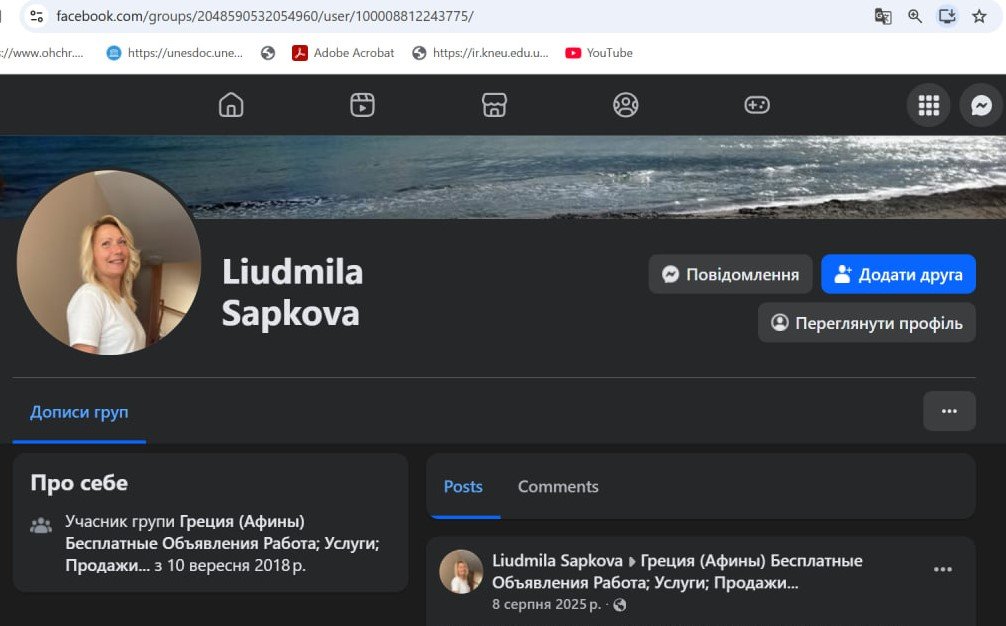
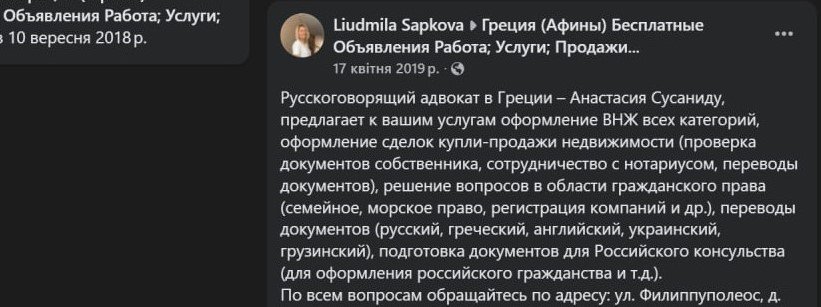
Furthermore, in April 2019, a ‘Facebook’ user with the same first and last name, and a similar photograph, posted a message in a Russian-speaking group titled “Греция (Aфины) Бесплатные Объявления Работа; Услуги” (“Greece (Athens), Free Classifieds Jobs; Services.”), advertises the services of a “Russian-speaking lawyer in Greece,” Anastasia Susanidou, who, among other things, offers assistance in the field of maritime law as well as the “preparation of documents for the Russian consulate (for the purpose of obtaining Russian citizenship, etc.).”
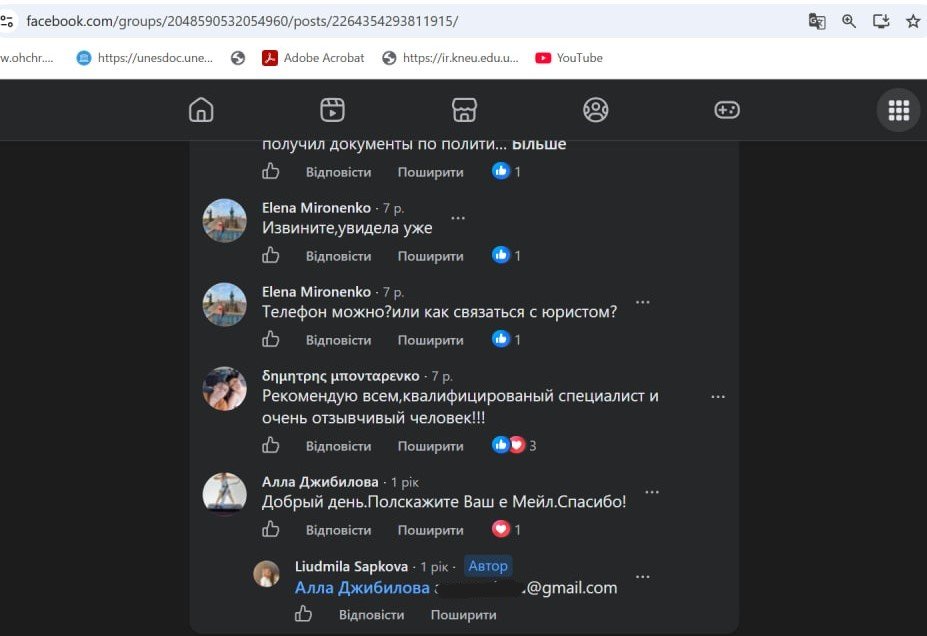
Moreover, in the comments section of this advertisement, Sapkova provides a year ago Susanidou’s email address, presenting it almost as if it were her own. It should be noted that, at the time, Sapkova was already clearly an employee of “Pavlakis, Moschos & Associates.”
At the same time, the Greek-Russian-language newspaper “Mir i Omonia” (“Peace and Omonia”) promotes this same lawyer, Susanidou, as someone capable of providing answers to “a wide variety of questions concerning the rights and obligations of compatriots living in Greece.”
The publisher and editor-in-chief of “Mir i Omonia” which has been in circulation since 1993, is Inga Abgarova. The newspaper is a member of the “World Association of Russian Press,” and it includes a supplement titled “Komsomolskaya Pravda in Greece and Cyprus”.
It is worth recalling that the “Komsomolskaya Pravda” publication itself has been linked by numerous sources to Russian intelligence services; furthermore, its Kyiv-based subsidiary disseminated pro-Russian fake news in 2019 regarding experts from our Association, but those accusations against ARC activities were subsequently refuted in court’s case 758/978/20 in 2024.
In September 2021, Abgarova herself highlighted, in the pages of “Mir i Omonia” the “assistance provided to us by the Foundation for the Support and Protection of the Rights of Compatriots Living Abroad.” This organization was established by the Russian Foreign Ministry and “Rossotrudnichestvo” and is a structure directly affiliated with the Russian authorities. The newspaper’s website also features, among other things, a section titled “Heritage of the Russian World.”
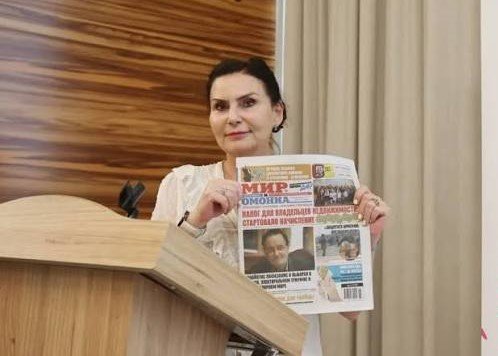
It is worth noting that, by an interesting coincidence, the aforementioned Georgiy Muradov worked at the Soviet embassy in Greece until 1992, eventually rising to the rank of First Secretary. In the course of our investigation into his activities, we uncovered a 1991 publication in which Mr. Muradov is listed as the “press attaché of the USSR Embassy in Greece.” In that capacity, he had to explain the “financial difficulties” that had arisen regarding the publication of the newspaper “Moscow News” in Greece, meaning that, back then, he was overseeing the very entities that served as the precursors to “Mir i Omonia”.
We have previously noted that, prior to 1990, this publication functioned as a vehicle for foreign propaganda and as a barely concealed component of Soviet intelligence, primarily military one.
In the chaos surrounding the collapse of the USSR, Mr. Muradov’s “successful utilization” of these funds, ostensibly earmarked for “printing”, might well have gone unnoticed. Yet, in subsequent interviews, Mr. Muradov repeatedly complained about “excessive bureaucracy and oversight” regarding how Soviet and Russian embassies spent funds intended for the “support of compatriots.”
It should also be noted that in 2025, Abragova conducted an interview with Anatoly Bublik—identified by the Russian side as the leader of the “Path Home” (“Put Domoy”) movement, which facilitates the relocation of ethnic Russians from EU countries to Russia under a state program. This interview was, among other places, featured by the “Russian House in Athens.”
Furthermore, in recent years, this same Mr. Muradov was responsible in Crimea for these very propaganda projects concerning the “return of compatriots.” As mentioned above, it was precisely these types of services, involving Russian documentation, that were offered by lawyer Anastasia Susanidu, who was promoted concurrently by “Mir i Omonia” and Liudmilla Sapkova.
Naturally, the authors of the “Notice” might dismiss all these circumstances as a mere series of coincidences and chance occurrences.
While we are neither an investigative body nor a court of law, we believe that these facts, taken together, are sufficiently noteworthy to warrant readers’ attention, and not only those who observe the glass house in Athens from the windows of their office.
As for the aforementioned plane crash in Kazan, we can refer to reports from 2017, which state that “promises made by international lawyers to recover tens of millions of dollars from those responsible for the crash are falling apart in the Novo-Savinovsky District Court.”
At the time, the Russian press reported that “settlement agreements were reached with ‘Ak Bars Insurance’ regarding 4 out of 17 lawsuits filed in the autumn of 2016 by the families of the deceased passengers.” It was noted that one-third of the payout, specifically 266,000 rubles in one of the agreements, was “earmarked for legal fees for the Greek firm Pavlakis-Moschos & Associates Law Offices,” which represented the claimant in court, working alongside an agent identified as “Sergis.“
The Russian press, citing the claimants, reported that “the Greek lawyers discouraged us [from settling], claiming that the payouts would be significantly higher following a trial in Athens.” It was further noted that “the Greek lawyers began gathering evidence and assured the victims that the crash might have been caused by the poor technical condition of the aircraft“, and that they had “announced plans to conduct their own independent investigation into the crash to confirm this hypothesis, but these plans were never carried out.“
Relatives of the victims stated that “the lawyers made a mistake, and the case was not actually subject to the jurisdiction of the courts in Athens.” The families also expressed their “conviction that no investigation into the plane crash ever took place, as no technical report was ever provided to the parties involved.”
It should be noted that, regarding the plane crash over the Sinai, the subject of the aforementioned statements by representatives of “Pavlakis-Moschos & Associates”, the press reported that in March 2020, an Egyptian Appellate Court definitively dismissed lawsuits filed by the victims’ families against Egyptian government officials, the airline “Metrojet,” and the key Russian insurer “Ingosstrakh”, a company in which Oleg Deripaska controls a majority stake.
Interestingly, and quite remarkably, it is this very insurer, “Ingosstrakh”, against whom these lawyers “valiantly lost” their case, that provides the bulk of the insurance coverage for the vessels in Russia’s “shadow fleet.”
Furthermore, according to our sources, shipowners quietly replaced their “Ingosstrakh” policies with worthless documents from “Seaguard P&I.” This move effectively shielded “Ingosstrakh” from billions in insurance risks, risks tied to the very tankers that became the focus of the investigation so concerning to the Syrian-Greek clients of the “Pavlakis-Moschos Law Firm.”
Of course, anything can happen in legal practice, even when, “by pure coincidence” and even entirely without any prompting or guidance from Russian state entities, relatives of victims, who hold Russian citizenship and often live nowhere near Athens, consistently turn to the exact same Greek law firm, always with the same predictable outcome.
But in closing, we would advise the authors of the “Notice” at the “Pavlakis-Moschos Law Firm”, as well as their former partners in Kazan, the firm “Sergis,” and their other Russian counterparties, to keep in mind the experience they gained from the aforementioned plane crash cases.
While it is always possible to threaten media platforms with lawsuits and legal liability, one should also consider the quality of one’s own work and one’s responsibilities toward clients and society at large. Furthermore, it is worth recalling an old adage: “When embarking on an investigation, the most important thing is to ensure you don’t end up uncovering something that points back to yourself.”