In the framework of the permanent cooperation with the United Nations’ bodies and agencies, our Association sent the submission to UN OHCHR for the preparation of the next Secretary-General’s report to the General Assembly on the challenges in the administration of justice, connected with the usage of neurotechnology.
The ARC submission, prepared by Kateryna Karpova, Olexiy Plotnikov, and other experts and published on the official UN web-sources now, reminded the UN officials about Russia’s illicit activities in the framework of artificial intelligence in Crimea in different areas.
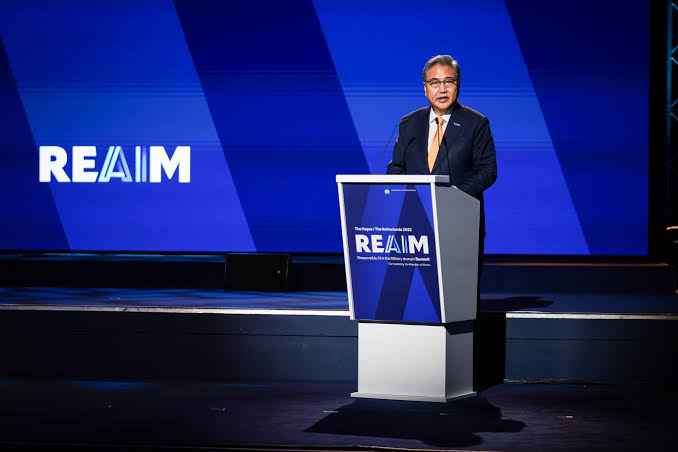
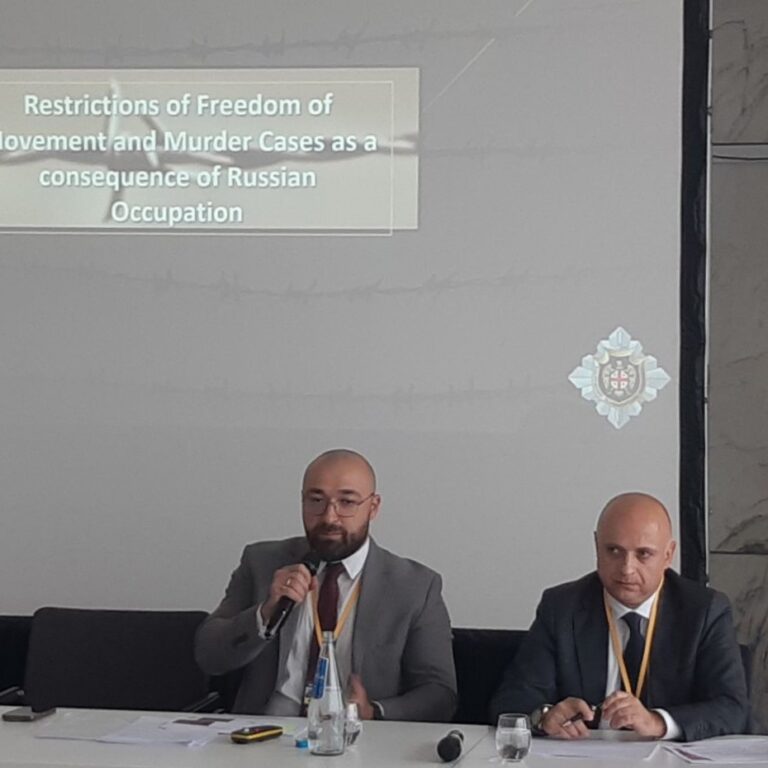
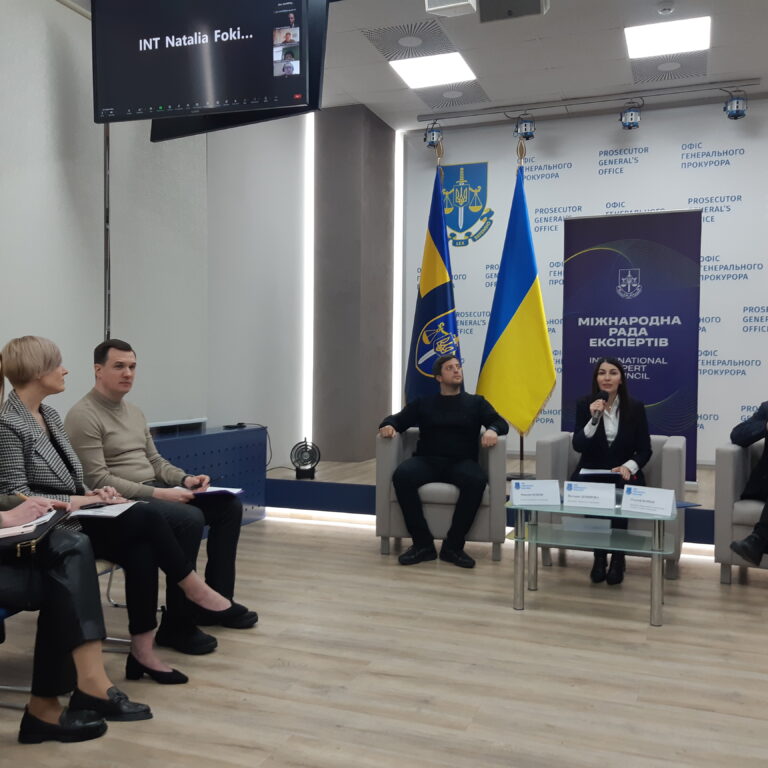
The submission stressed discussion about relevant Crimea-related challenges to global security, discussed by ARC experts in the OSCE ODIHR Human Dimension Meetings and at the conferences devoted to the role of artificial intelligence in the justice system, held in Ukraine, exactly “Expert Support for Organized Crime Investigation: International Experience and National Practice” and “Digital Era of Forensic Expertise Development: Innovative Technologies and Artificial Intelligence.”
The ARC submission stressed again that the Russia-controlled “Crimean universities” became a tool for “legalizing” artificial intelligence technologies stolen by the Russian special services in Western democratic countries or in communist China.
The ARC experts pointed out the current failure to resolve, as of now, the aspects of the subjectivity of artificial intelligence necessitates the need for a legal attitude towards it as a source of increased danger, with the need to introduce appropriate mechanisms for mandatory liability insurance of operators of artificial intelligence for the damage caused.
The ARC submission summarized that the artificial intelligence acts in the occupied Crimea not as a neutral tool of digital development, but as a connected infrastructure for “legitimization,” propaganda influence, and the “soft integration” of the occupation regime.
The occupiers’ “official” rhetoric, “media” formats, and digital “engagement mechanisms” combine to reduce critical perceptions among the population, reinforce “politically advantageous” interpretations of events, and expand the aggressor’s practices of data collection and analysis in the absence of transparency in such procedures.
The ARC submission proposed to the UN bodies to research the challenges connected with artificial intelligence and information dissemination in conditions of interstate conflicts and relevant disinformation, genocidal calls, hate speech, and racist incitements in media and social networks, including neurotechnology in the administration of punitive, penitentiary and procedural activities.