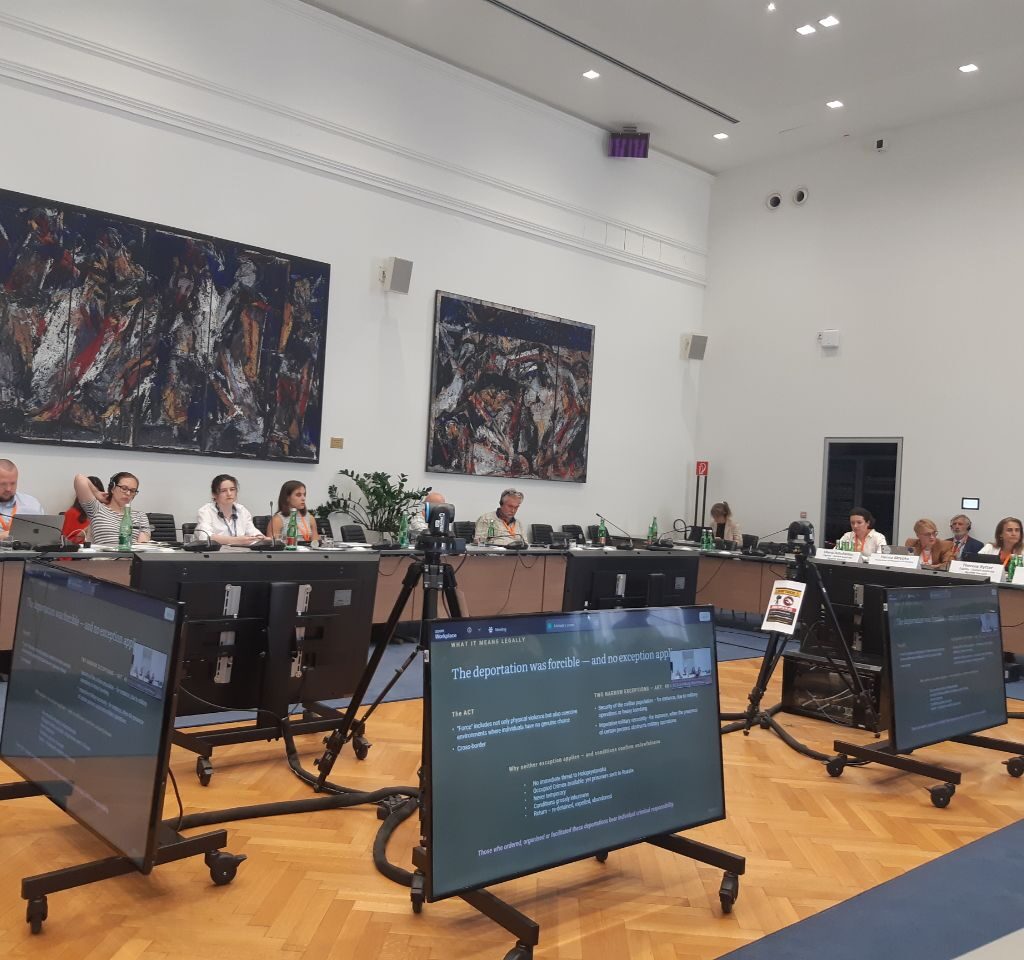
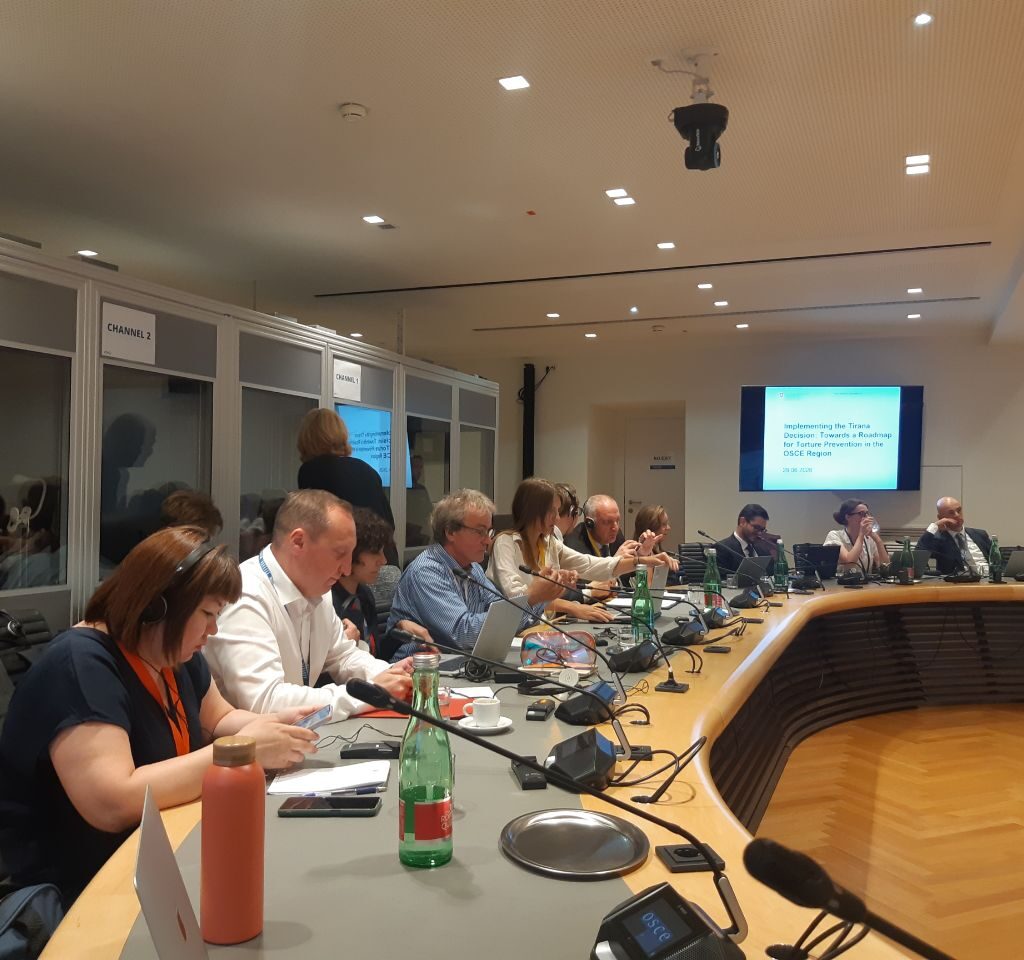
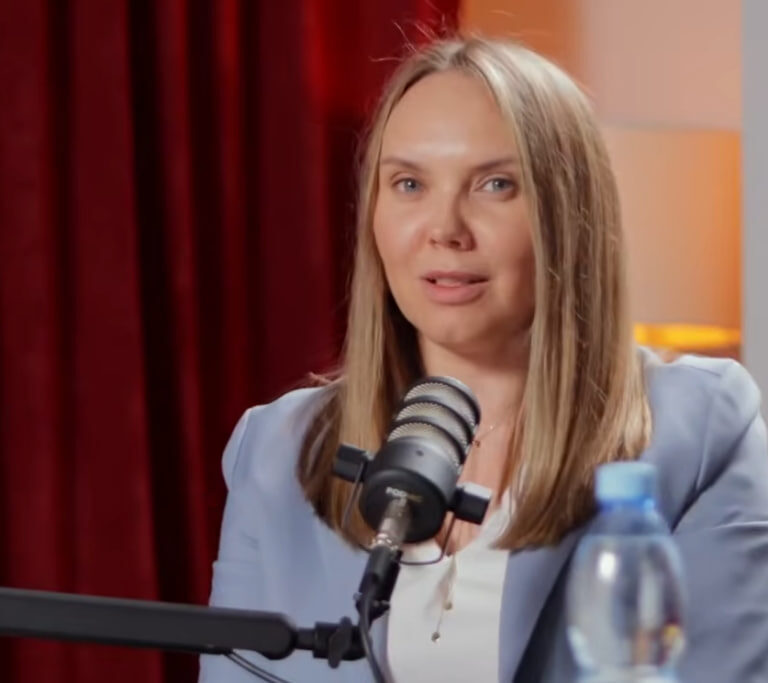
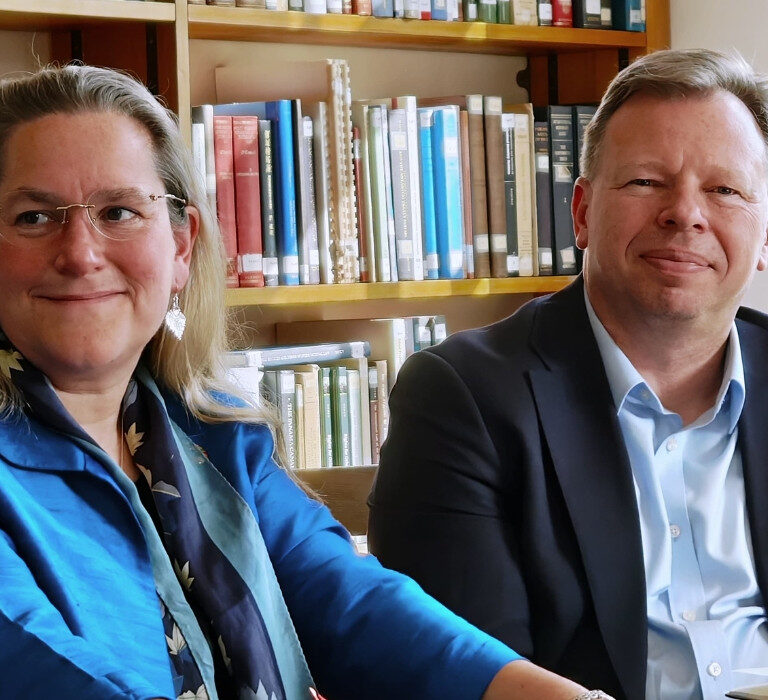
On June 29 and 30, ARC experts took an active role in the discussions at the side-events of the OSCE Supplementary Human Dimension Meeting, held in Vienna and devoted to torture prevention.
Issues of tortures, as the part of Russian policy in the Russia-occupied territories of Ukraine, including Crimea, were discussed with participants of such events as “Implementing the Tirana Decision: Towards a Roadmap for Torture Prevention in the OSCE Region”, “Undisclosed Victims of War – Action to Support Institutionalized Ukrainian Civilians Deported to Russia”, “Torture as a Tool of Persecution: Russian Practices Against Ukrainian Civilians and Prisoners of War” and “Anatomy of Torture: Accountability for Medical Complicity in Russia’s State System of Torture”
ARC’s experts discussed the significance of the 2026 Swiss OSCE Chairpersonship in developing a Roadmap on the Prevention and Eradication of Torture as a practical tool to strengthen implementation of OSCE commitments countering torture as a tool of aggression, occupation, attempted annexation, deportations, genocidal attempts, and racial discrimination.
As it was stressed during relevant discussions, numerous testimonies indicate patterns of severe physical and psychological abuse, incommunicado detention, sexualized violence, deprivation of medical care, and other forms of ill treatment in violation of international humanitarian and criminal laws, committed by aggressor’s representatives at the Russia-occupied territories of Ukraine.
It was added that these practices occur in the broader context of persecution carried out against individuals perceived as disloyal to the occupation “authorities” or supportive of Ukraine. Within this context, torture has been used for multiple purposes, including coercion and punishment, intimidation of detainees and local communities, humiliation and dehumanization of victims, extraction of forced “confessions”, and preparation of fabricated “criminal cases”.