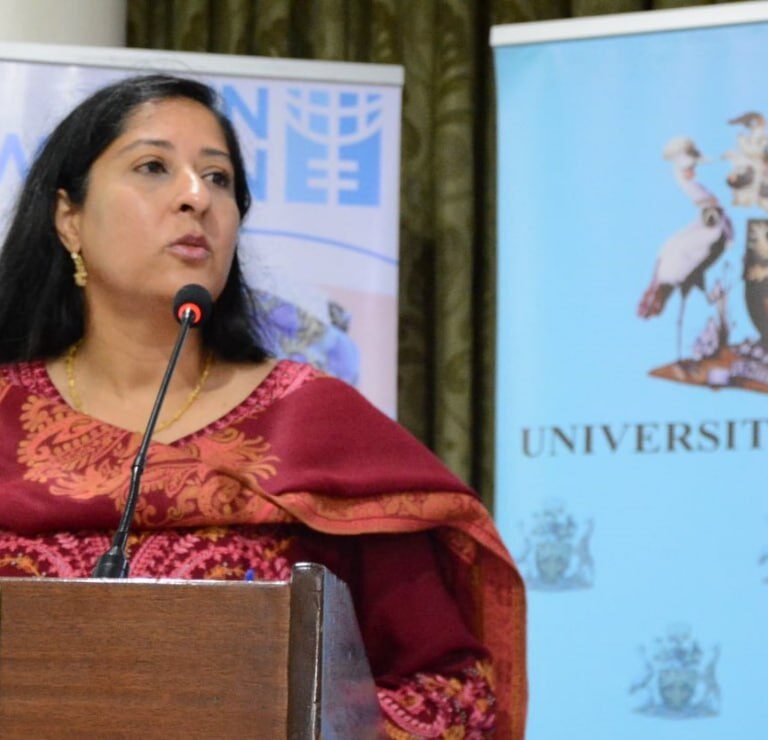
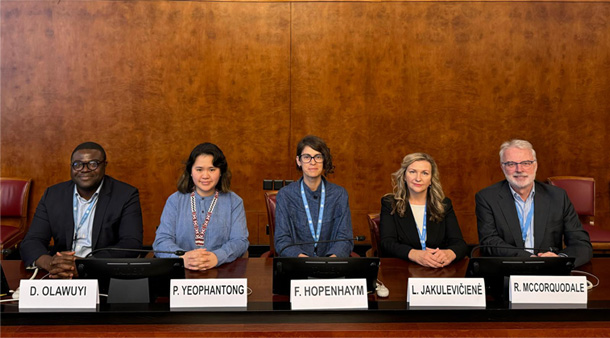
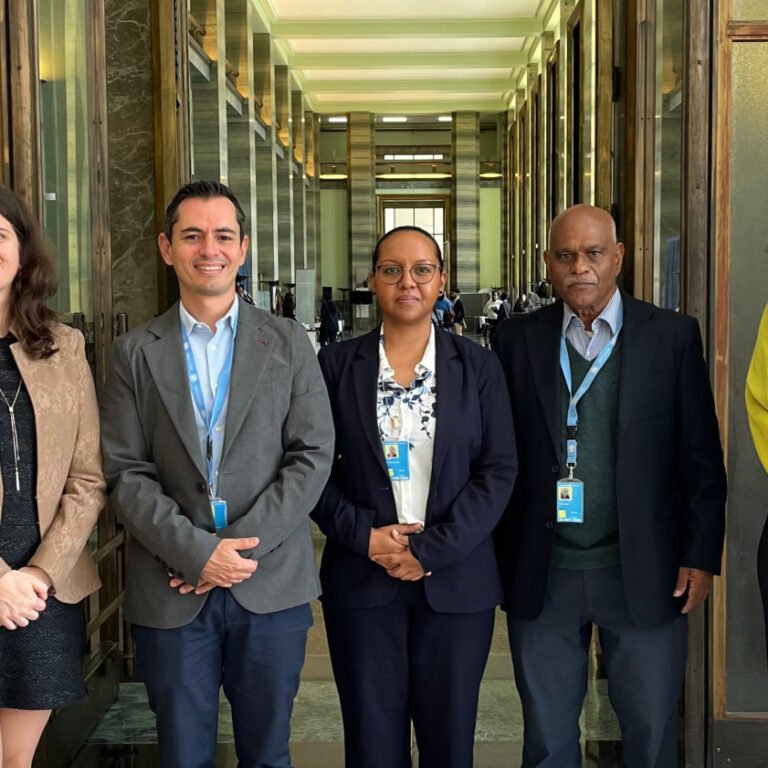
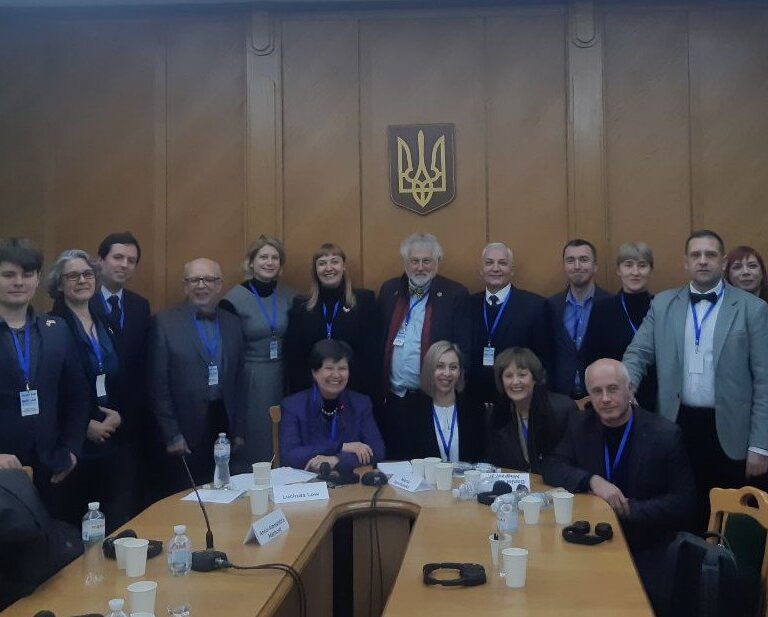
On August 29, an expert from our Association, Professor Borys Babin, took part in the conference “Digital Era of Forensic Expertise Development: Innovative Technologies and Artificial Intelligence”, which was held in Odesa by the Odesa Research Institute of Forensic Expertise of the Ministry of Justice of Ukraine.
At the event, positions on the prospects and challenges of the application of artificial intelligence were expressed by the Minister of Justice of Ukraine German Galushchenko, Deputy Minister of Justice Andrii Haichenko, Head of the Odesa Regional State (Military) Administration Oleh Kiper, Director of the aforementioned Institute Dmytro Kishko, Scientific Secretary of the Scientific Research Center for Independent Forensic Expertise Olena Agapova, Honored Science and Technology Figure of Ukraine Ihor Kraynov, scientist and specialist of the Southern Interregional Department of the Ministry of Justice (Odesa) Kateryna Karpova, and other scientists and practitioners.
In his own speech and during communication with the participants of the event, Professor Babin shared the achievements of the Association in the dimension of researching the challenges and threats in the field of artificial intelligence, which are created by the aggressor, in particular in the temporarily occupied territories, including in the dimension of the illegal activities of the corresponding “center” of the illegal “Crimean federal university”.
The ARC expert emphasized that global international standards in the field of artificial intelligence are at the stage of being established and are reflected only in individual resolutions of the General Assembly and a number of UN working documents, and described the relevant achievements of the Council of Europe, in particular the development of the practice of the European Court of Human Rights.
Professor Babin emphasized that the failure to resolve, as of now, the aspects of the subjectivity of artificial intelligence necessitates the need for a legal attitude towards it as a source of increased danger, with the need to introduce appropriate mechanisms for mandatory liability insurance of operators of artificial intelligence for the damage caused.
The expert expressed the opinion that the formation of contractual and institutional requirements in the field of artificial intelligence at the global level will most likely not occur in the format of human rights or sustainable development, but within the framework of international security, as previously happened with regard to nuclear, chemical, bacteriological weapons and other types of armament.