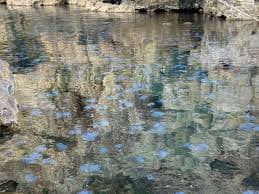
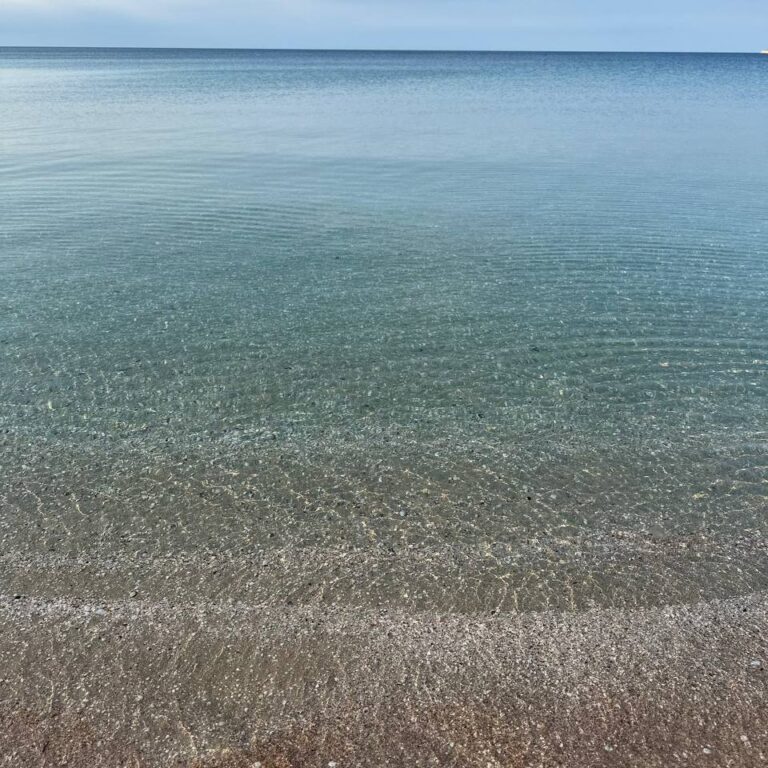
After the “end of the summer season” the occupation “press” decided to admit a fairly obvious fact: the coastal waters of Crimea this year were filled with the maximum number of jellyfish, sometimes literally turning the water into jelly.
The occupiers do not name the reasons for the total “sea jelly”, but they mainly come down to the absence or degradation of treatment facilities in the Crimean coastal cities and towns and runoff into the sea from agricultural lands; this gives a surge in plankton, which is eaten by jellyfish, performing the function of “natural orderlies”.
The situation with coastal ecosystems was also negatively affected by the undermining of the Kakhovka hydroelectric power station dam by the aggressor, and the accident with the Russian “Volgoneft” tankers near the Kerch Strait. Humanity has not come up with any real means of “fighting jellyfish”: catching them, due to their mass scale, is useless, and any chemicals are guaranteed to destroy the remains of marine ecosystems along with the jellyfish at the root.
In their permanent “optimistic role”, the occupiers promise to “solve the problem”, referring to the talking heads from the Rostov Azov-Black Sea branch of the Russian federal research institute of fisheries and oceanography.
But even they, in addition to the tragicomic advice on “changing the salinity of the Azov Sea” and discussions about “designing the installation of barrier nets”, on which they massively launder the corresponding funds, cannot offer anything intelligible.
By the way, local businessmen tried to install similar nets in the sea on the beach of Olenivka (Kara Adzhy) this year, but this project ended rather sadly: the nets immediately clogged and became a source of stench from decomposing jellyfish.
However, the fight against “beach disasters” among the occupiers leads to fiasco in areas where reasonable steps would have yielded positive results. We are talking about the tragicomedy of the “fight against kamka” described earlier, that is, against sea brown algae, traditionally washed up en masse on the beaches of Western Crimea.
Before the occupation, utility workers from Yevpatoria and neighboring villages actively collected kamka from the coastline, achieving not only the cleaning of the beaches, but also a good income, since after drying it turns into a fairly good auxiliary building material, bought up by local enterprises.
But since “Russian legislation” prohibits the collection of seaweed for such purposes, now kamka is at best “returned to the sea”, where it rots en masse.
This year, Yevpatoria gauleiter Alexander Yuryev even publicly demanded that beach tenants “not collect algae”, threatening them with all sorts of punishments. Let us recall that earlier the Kerch “scientists” also talked about “developments in the food use of jellyfish”, but this project also “for some reason” disappeared from the public space over time.