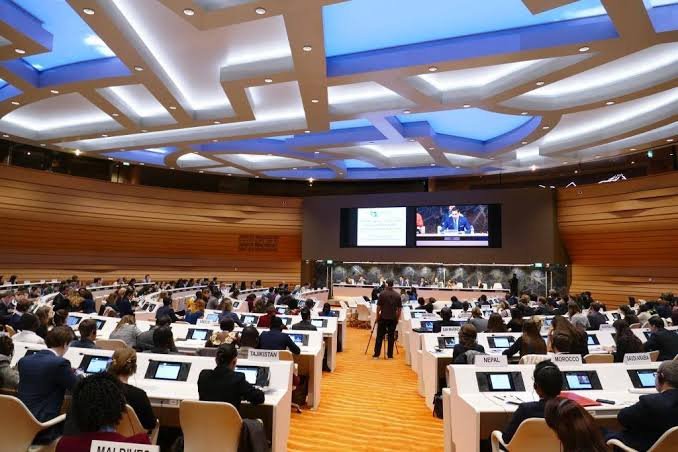
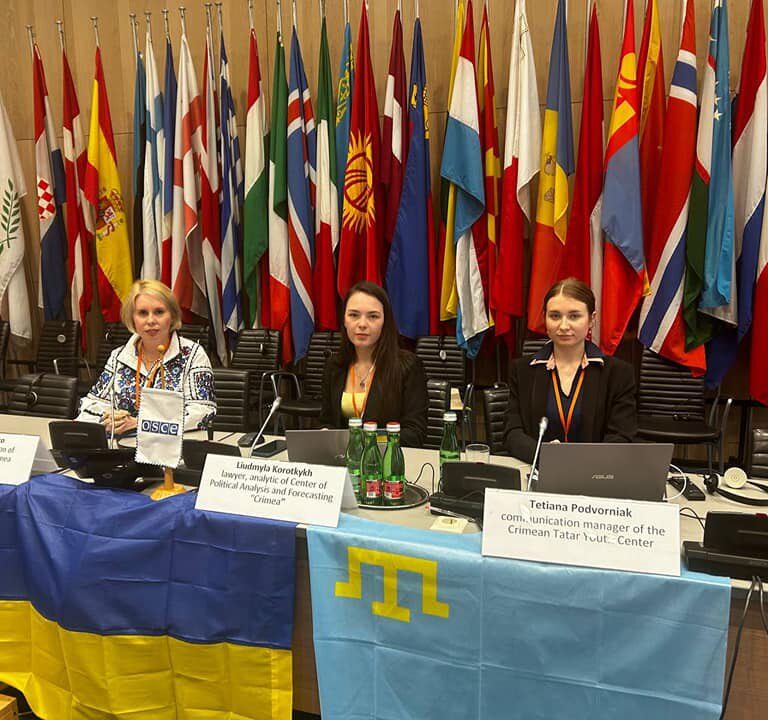
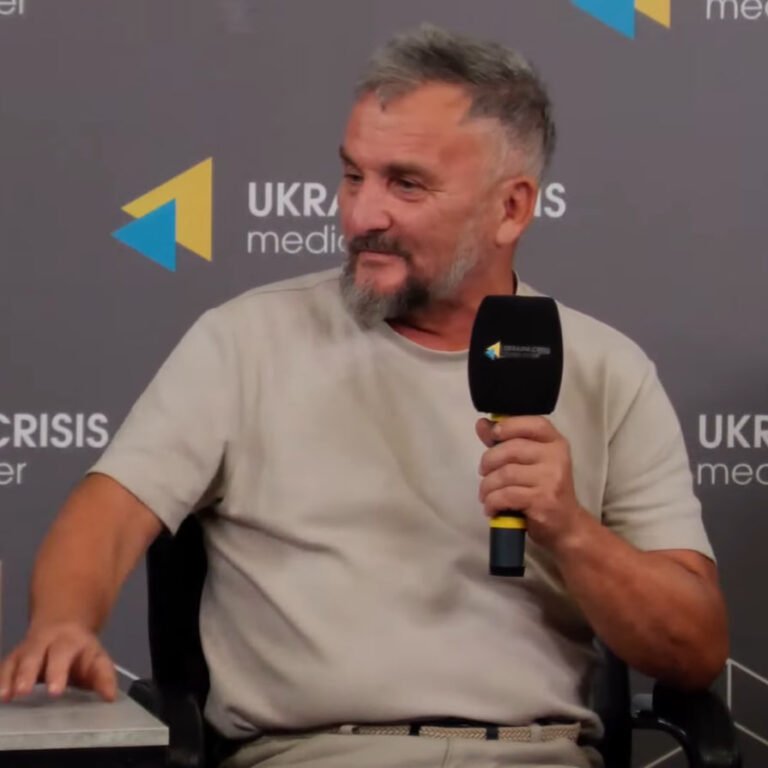
In the framework of permanent cooperation with the United Nations’ bodies and institutions, our Association sent a submission for the preparation of the sixth session of the UN Forum on Human Rights, Democracy, and the Rule of Law, which will start on 16 November in Geneva and will focus on “Education for civic participation: empowering future generations, fostering knowledge and critical thinking.”
The ARC submission, prepared by Olexiy Plotnikov, Eduard Pleshko, and other experts and published at the official UN web-sources now, reminded that Russia’s illicit activities in the area of artificial intelligence in the occupied Crimea in different areas create a strong threat to education for civic participation. Submission pointed out that Russia-controlled “Crimean universities” became a tool for “legalizing” artificial intelligence technologies, stolen by the Russian special services in Western democratic countries or in communist China.
The submission recalled Russia-initiated artificial intelligence activities, reflected in the creation of hundreds of online “media,” acting without direct human participation for manipulations against the Internet search systems.
Such forms of disinformation make special importance for the issue of the subject of legal responsibility in such provocation, the submission added, also stressing challenges with the definition of legal regime for propaganda victims on national and international levels.
So, the ARC submission stressed, that the manipulations with artificial intelligence, done by authoritarian regimes together with loyal corporations and other business structures, in conditions of interstate conflicts, war zones, and occupied territories create new strong risks not only to fundamental rights but also to informational, educational, cultural, and other collective rights, including threats to education for civic participation.
For example, the key challenges for human rights in the area of usage of artificial intelligence in Crimea and in other Russia-controlled territories, as well as in the Internet and media, are disseminating fakes, hate speech and propaganda; counteracting dissidents, human defenders, activists, etc.; creating deepfakes with genocidal, militaristic and racist character; and establishing a system of controlling faces, trips and presence in institutions for relevant racial segregation and repressions.
The ARC submission summarized that separate Forum research must be done on challenges connected with artificial intelligence, information dissemination, and education for civic participation in conditions of interstate conflicts and relevant disinformation, genocidal calls, hate speech, and racist incitements in media and social networks, including business participation in such processes.