In the framework of the ongoing OSCE Warsaw Human Dimension Сonference, the ARC expert Borys Babin took an active part in the set of side events, communicating with its participants on issues of Russia-occupied territories of Ukraine and relevant researches and investigations of our Association.
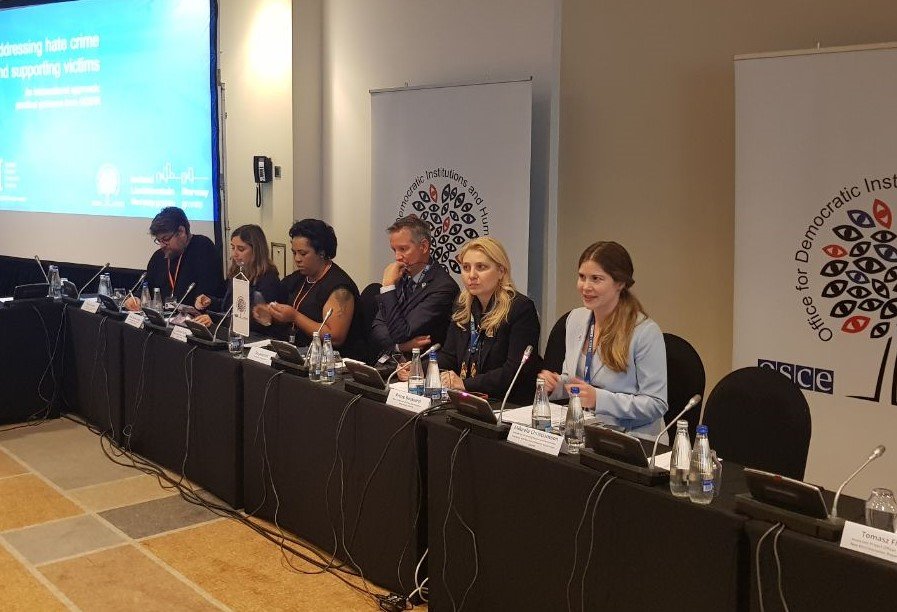
During the OSCE ODIHR side-event “Addressing Hate Crime and Supporting Victims: Practical Guidance on an Intersectional Approach” Professor Babin stressed the importance of the relevant guidance presented for the situation in Crimea and that it will help practitioners recognize how different forms of bias interact and ensure that responses reflect each victim’s circumstances.
The ARC expert discussed with ODIHR representatives, such as its First Deputy Director Tea Jaliashvili, its Adviser on Combating Racism and Xenophobia Mikaela Christiansson, and Head of its Tolerance and Non-Discrimination Department Pierre Baussand, challenges of hate speech and racist statements done in situations of interstate conflict and foreign occupation, as well as those committed by the law enforcement and justice officials.
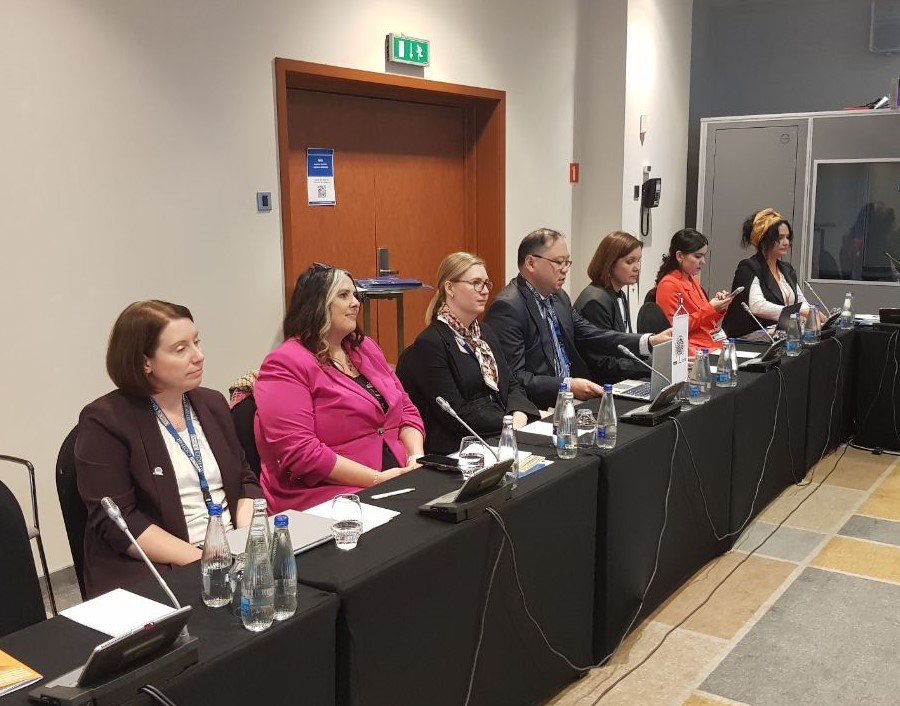
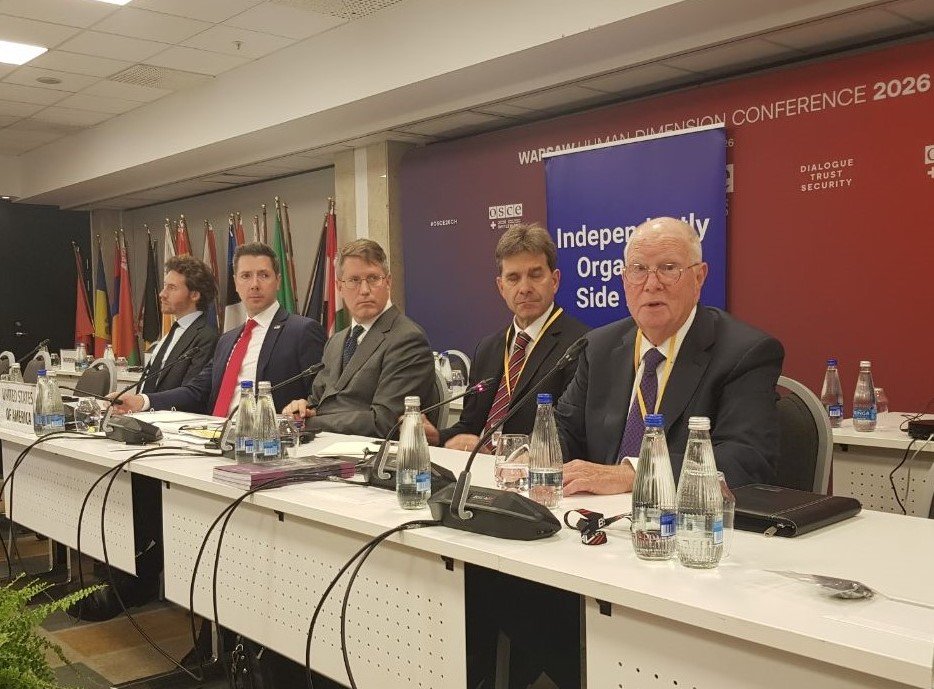
During the side-event “Promoting Religious Freedom, Tolerance, and Non-discrimination and
Countering Antisemitism and Anti-Christian Bias in the OSCE Region”, convened by 12 missions to the OSCE, including the U.S., Ukraine, the U.K., Slovenia, Serbia, Romania, Italy, Hungary, the Czech Republic, Croatia, Bulgaria, and Albania, Professor Babin also concentrated the participants’ attention on the relevant challenges of the antisemitic statements.
The ARC expert added on the ongoing growth of the antisemitism in the Russia-occupied territories of Ukraine, including Crimea, and pointed out that relevant Russia-controlled systems of artificial intelligence create and disseminate relevant deep fakes, disinformation, and propaganda.
Regarding this topic, the events’ U.S. speakers recognized that across the OSCE region, individuals and communities of all faiths continue to face discrimination, harassment, and violence on account of their religious identity, underscoring the need for robust, coordinated frameworks to identify, monitor, and counter such bias.