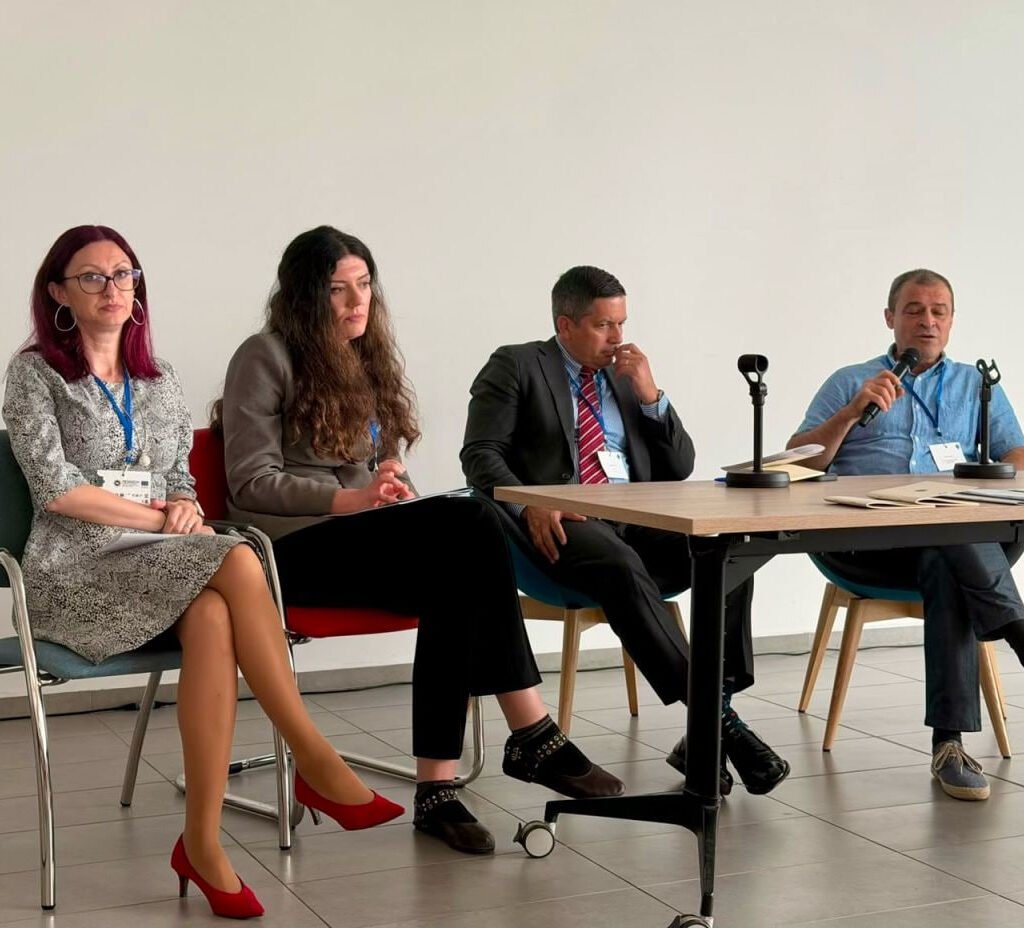
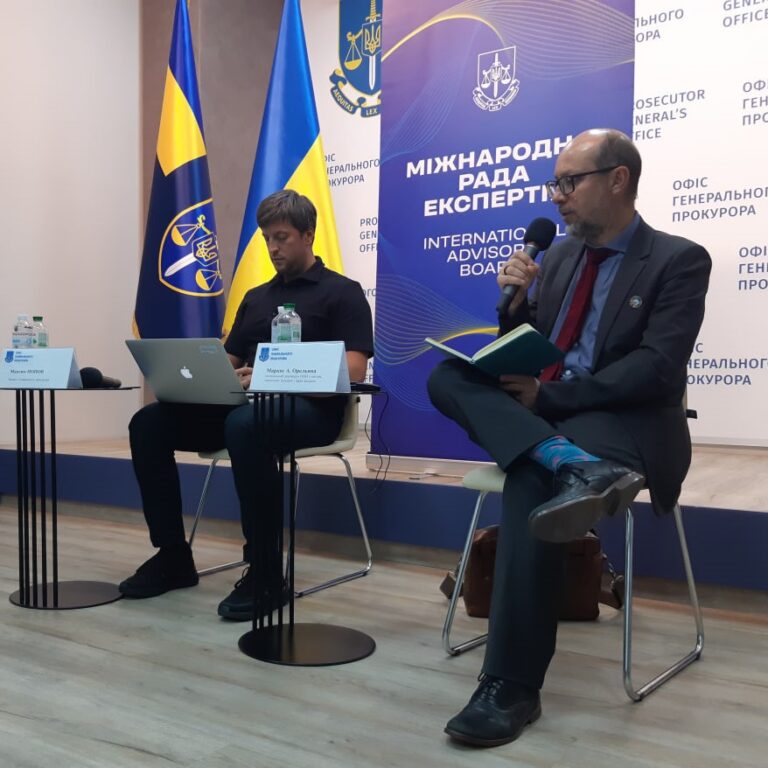
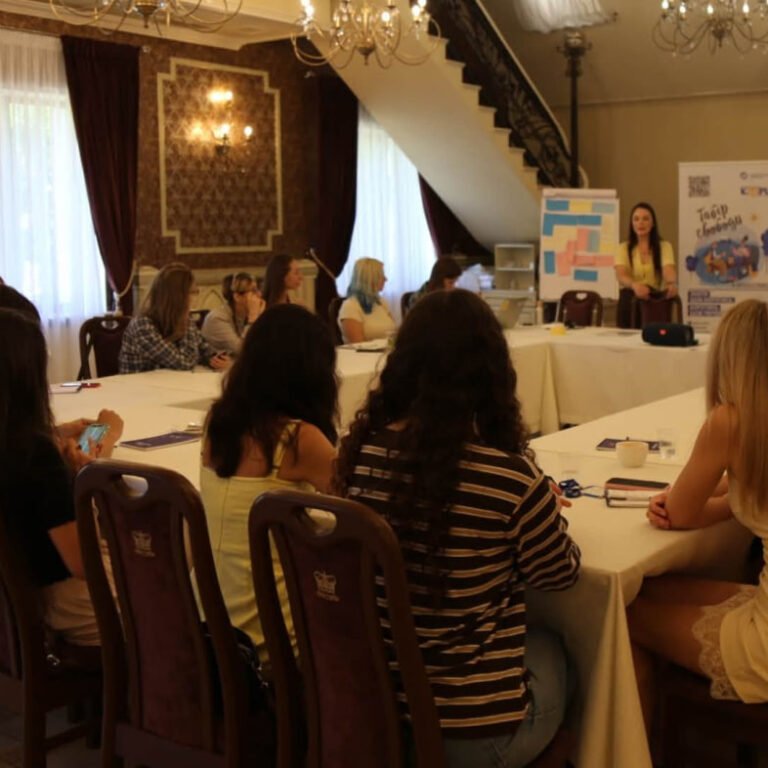
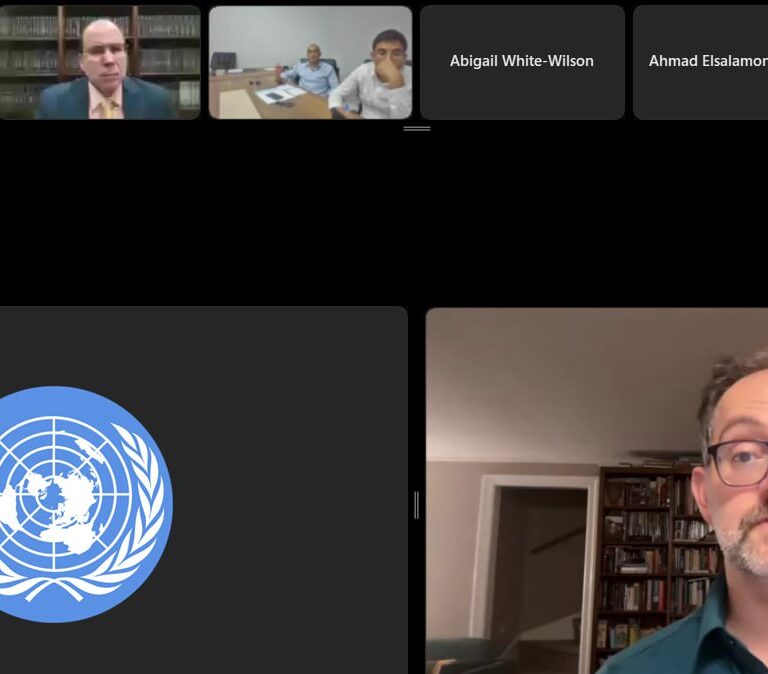
On October 1, Eduard Pleshko, an expert from our Association, participated in a presentation of results from a workshop held in Burgas. The event focused on the international environmental project MEDIGREEN (Mediterranean Approach Towards a Maritime European GREEN Deal in MSP), which addresses the integration of sustainable development goals into maritime spatial planning.
Specific project objectives include assessing the current situation and the impact of maritime spatial planning on achieving EU Green Deal goals, strengthening national actions that support maritime spatial plan components, and developing recommendations to improve the transition within key maritime sectors.
The project is supported by the EU through the European Maritime, Fisheries and Aquaculture Fund and runs until April 2027.
Two in-person seminars are scheduled for 2026 to further develop these cooperation and exchange strategies among stakeholders from the EU and non-EU countries, as well as relevant authorities within the maritime basin. The Burgas seminar was one of these events.
The project’s primary goal is to devise practical solutions for implementing the environmental objectives of the European Green Deal and the priorities of the Ocean Pact regarding the management of marine resources and territories.
It is worth noting that seven Mediterranean countries have already integrated environmental goals into their national maritime spatial plans. The event in Burgas provided an opportunity to exchange assessments of the situation and share experiences regarding joint operations in the Mediterranean and Black Seas.
Highlighting the prior predatory extraction of marine sand orchestrated by Russia off the coast of Crimea, including in Karkinit Bay, aptly described by experts as a “maternity ward and kindergarten” for marine mammals, as well as the subsequent adverse effects of the naval war unleashed by the aggressor, our expert pointed to a significant decline in marine mammal populations and severe consequences for marine flora; he therefore acknowledged the importance of the BLUE CONNECT environmental initiative, which supports the conservation of marine mammals and seagrass in the Gulf of Burgas.
The project demonstrated a successful integration of the MEDIGREEN macro-planning framework with local biological research, as a crucial step for the post-war stabilization of the Black Sea ecosystem.
Eduard Pleshko also shared with the event participants the findings of our Association’s analyses and investigations regarding an international fishing mafia linked to occupied Crimea and a criminal trade network involving Crimean dolphins in Russia and third countries, a network implicating various Crimean collaborators, as well as the Association’s works on the international legal classification of the crime of ecocide.