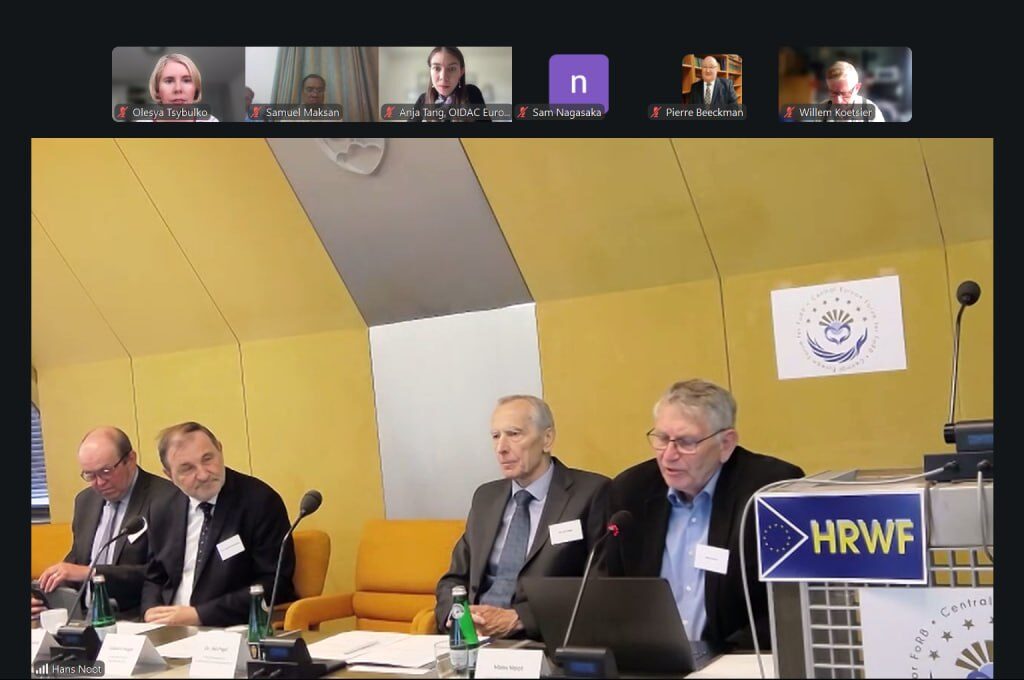
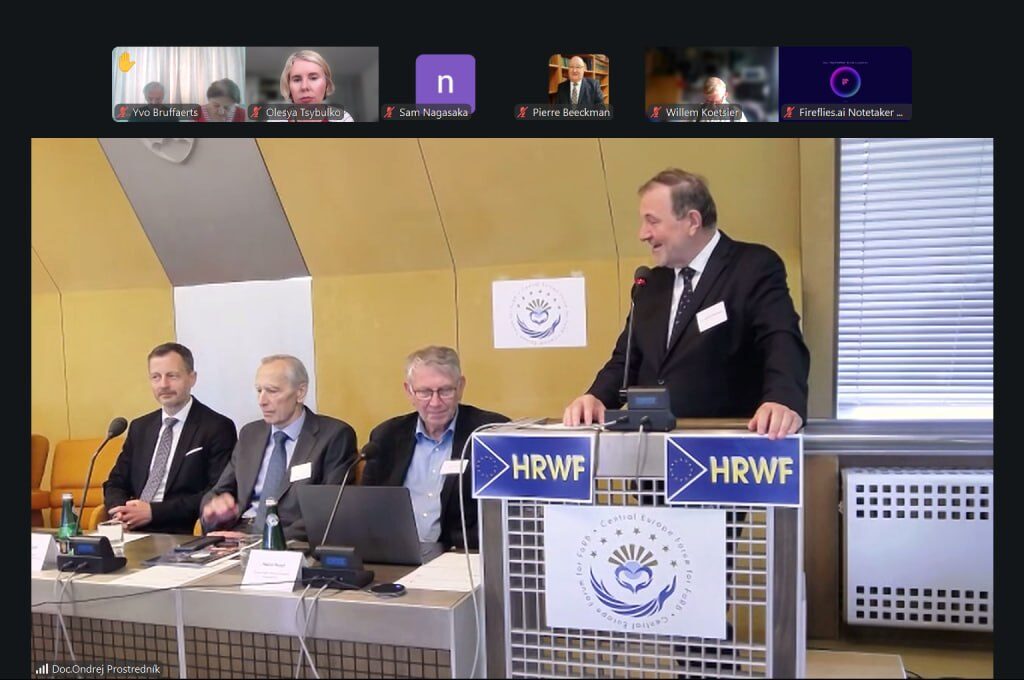
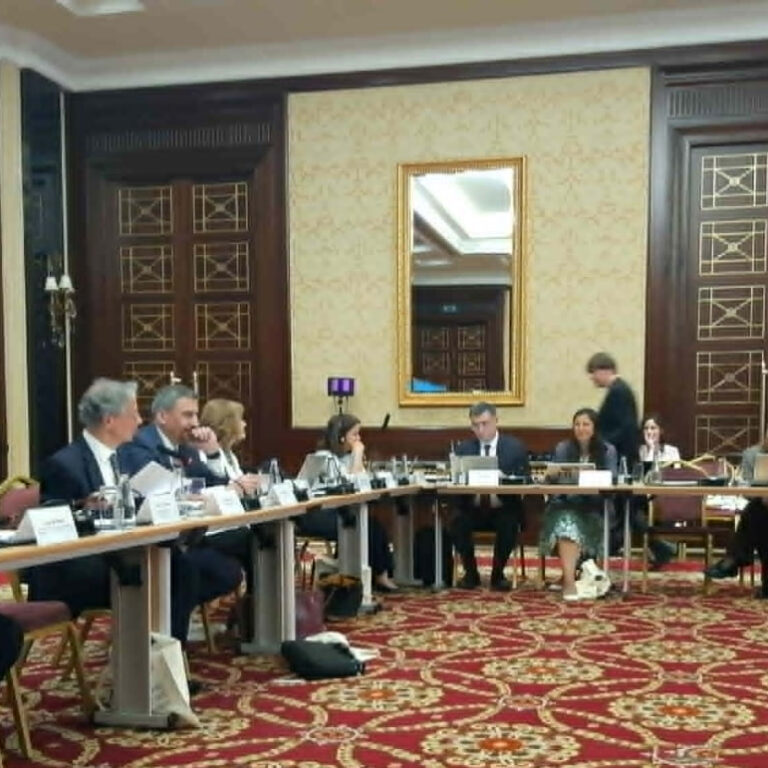
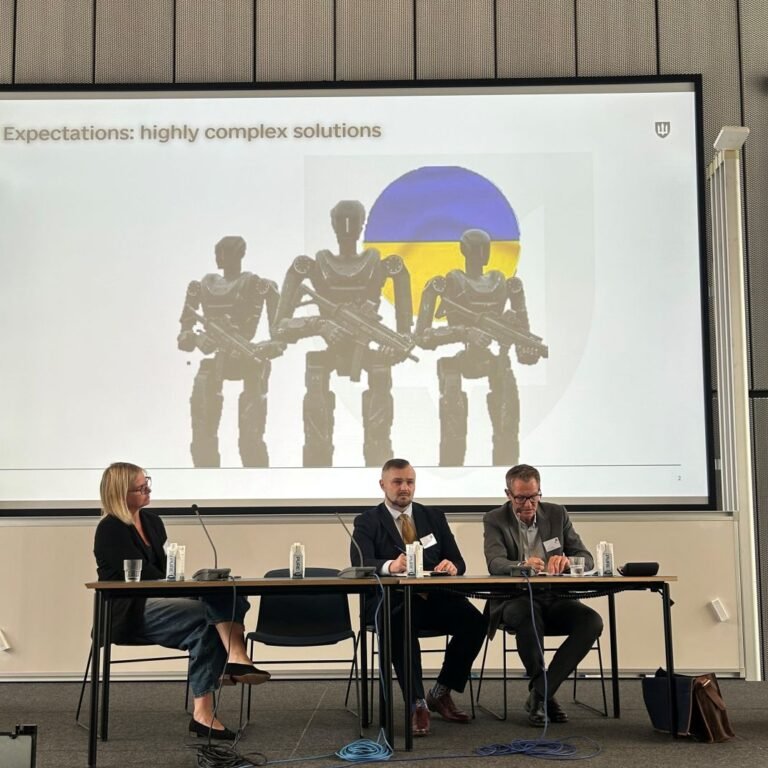
On June 1, our Association’s expert Olesya Tsybulko participated in the Central Europe Forum for Freedom of Religion or Belief, held in Bratislava. Forum is a grassroots-led regional initiative designed to address persistent and emerging challenges to religion or belief in Central Europe through a structured, repeatable, and transparent working cycle.
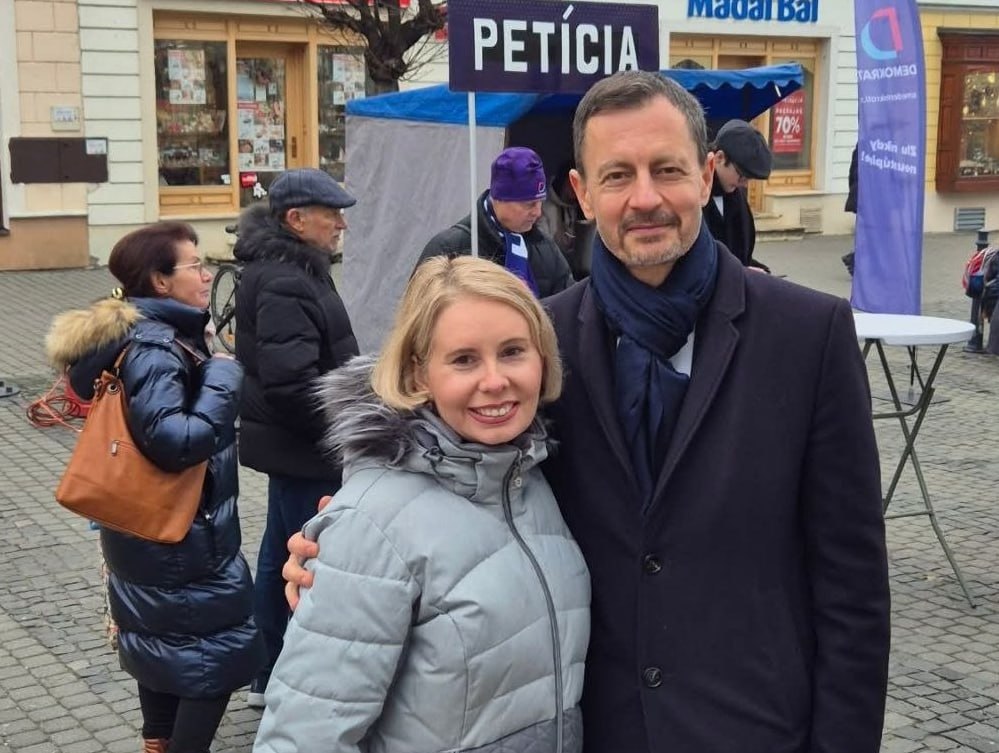
The Forum’s core purpose is to bridge the gap between international human rights commitments and lived realities. Key Forum speakers, Slovak democratic politicians Ján Figeľ and Eduard Heger, stressed that while freedom of religion or belief protections are formally embedded in European and international legal frameworks, their implementation often remains uneven.
The Forum responds to this gap by grounding its work in independent evidence, country-specific analysis, and thematically anchored discussions that reflect the actual experiences of faith-based and non-faith-based communities.
Tsybulko’s topic at the Forum was devoted to the elaboration of effective means of determining the indicators of hate speech level as the challenge to the freedom of religion or belief in the framework of the interstate conflict, with examples of ongoing Russian aggression against Ukraine.
The ARC expert stressed that an objective assessment of the level of use of hate speech by the parties to an armed conflict, in particular in terms of infringements on freedom of conscience, requires additional research, and the situation of Russian aggression against Ukraine and the Russian occupation of the territories of Ukraine, including Crimea, proves the actual character of relevant analysis.
ARC expert stressed that the formation of appropriate indicators on hate speech should include an assessment of the degree of compliance by the parties to the conflict with international humanitarian, criminal, and human rights law; the level, forms, and framework of relevant violations; the character and results of relevant investigations; aid to victims; and damage compensation.
These indicators should reflect the facts of hate speech verified by international organizations and courts, as well as authoritative human rights structures, in particular in the activities of civil and military administration structures, education, media, including digital ones, and social networks, in particular with special consideration for the use of artificial intelligence. Our cooperation with democratic forces in Central Europe will be continued.