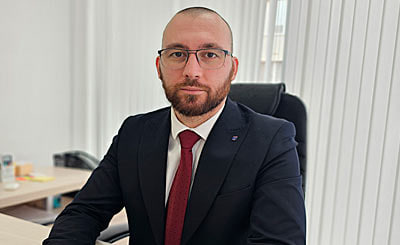
Since early October, Lithuanian society has been rocked by a scandal surrounding statements by former Culture Minister Ignotas Adomavičius, who was recently nominated for the position as part of a coalition agreement with the right-wing populist “Dawn of Nemunas” party, founded in 2023 by the controversial politician Remigijus Žemaitaitis and which received 15% of the vote in the last parliamentary elections.
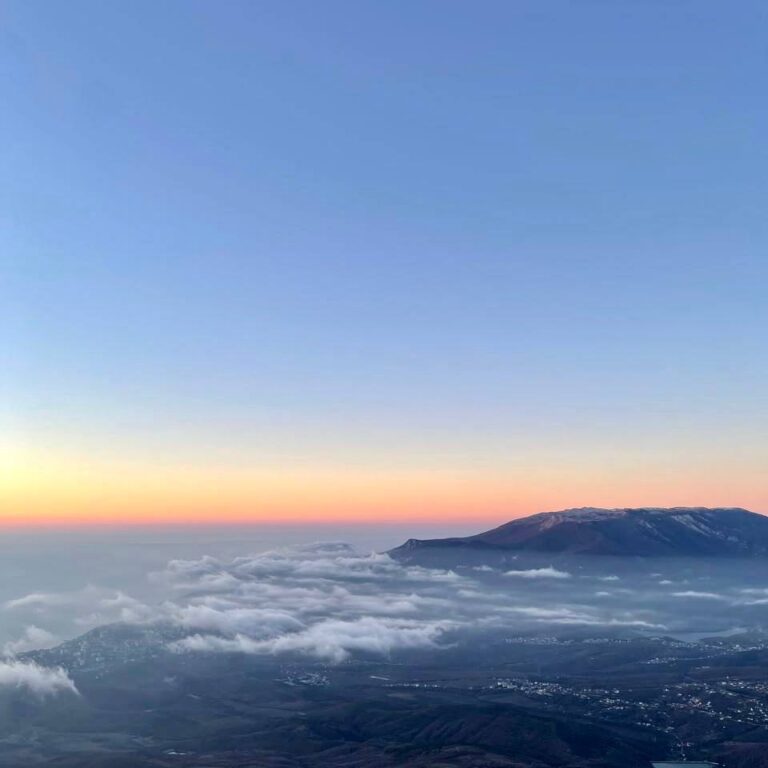
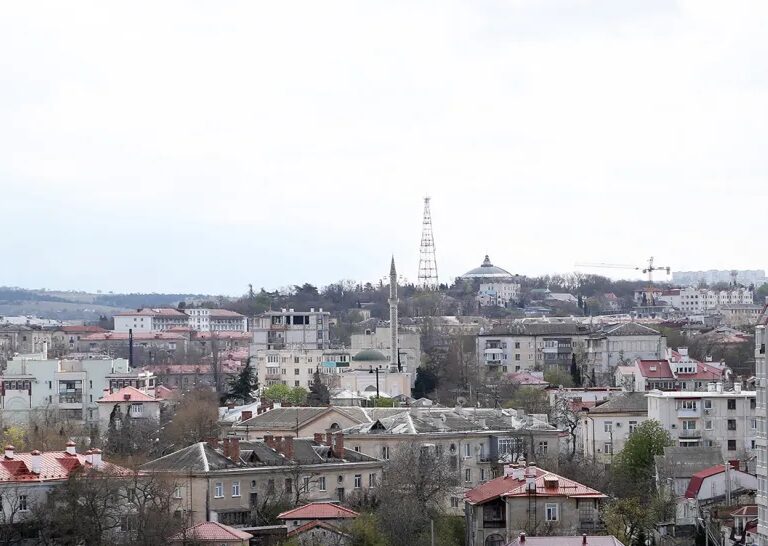
The apparent cause of the scandal, subsequently savored by the aggressor’s propaganda, was Adomavičius’ refusal to directly answer the question “Whose Crimea is it?” asked by jounnalist “Lrytas” to Adomavičius, who had previously become “famous” for removing the Ukrainian flag from the ministry building, which had been hung there as a sign of solidarity since 2022, was quickly condemned by both Žemaitaitis and all parliamentary political forces in the country.
Adomavičius was then dismissed, declaring that “considering the public’s position, and in order not to dismantle the government, I can say – I am resigning as Minister of Culture.” Moreover, at a press conference on this matter, he had already answered “LNK Žinios” journalist Egle Rackauskaite’s question about “whose Crimea is?” by stating that the peninsula is Ukraine and noting that Crimea is occupied.
While not discounting the notoriety of “Dawn of Nemunas” and Adomavičius’ specific position, we should add that this figure’s resignation was quite predictable from the moment of his appointment.
Even before the “Crimean incident,” a protest took place in the square outside the Presidential Palace in Vilnius – nearly a thousand cultural representatives gathered and demanded that “the ministry be headed by a competent specialist who will adequately represent their interests, so that the institution does not remain in the hands of “Dawn of Nemunas”.”
Lithuanian cultural figures also circulated a petition calling for the minister’s resignation, which has already been signed by over 70,000 people. On October 5, the cultural community announced a “warning strike,” which it intends to continue even after Adomavičius’ resignation.
Thus, the “Crimean issue” has become more of a marker, accelerating the development of the situation and providing the Lithuanian parliament and president with the appropriate legal and political grounds. The response to the incident by the highest Lithuanian authorities demonstrated the systemic and sustainable support for Ukraine’s territorial integrity.
Therefore, the question of “whose Crimea is” is gradually becoming a marker of civilizational values and democracy in Europe, a fact well recognized by both the media and progressive political forces.