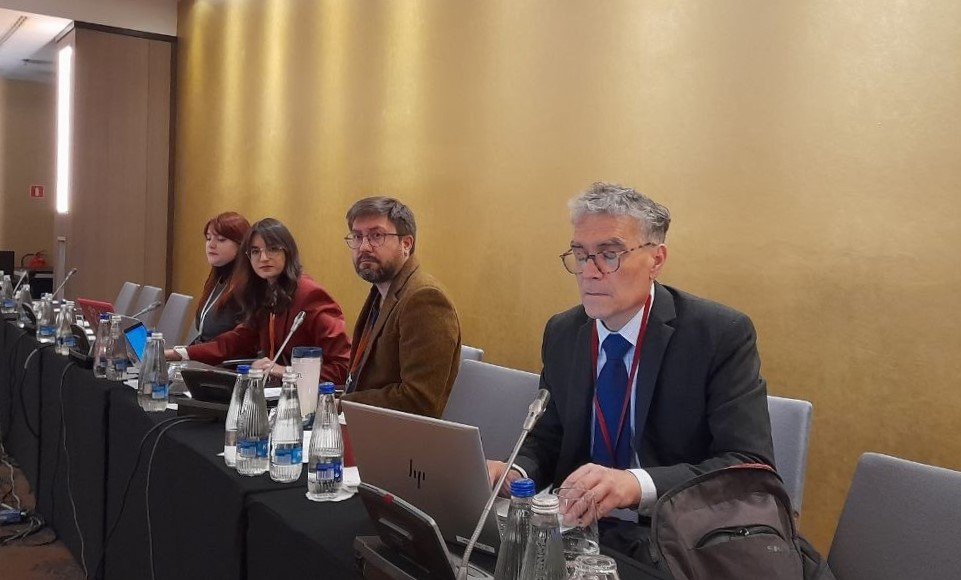
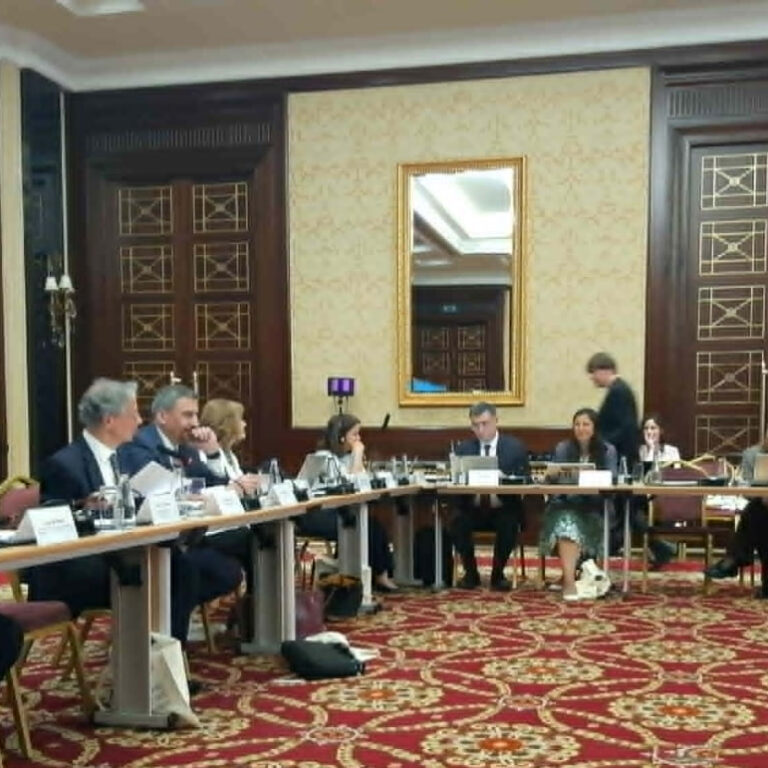
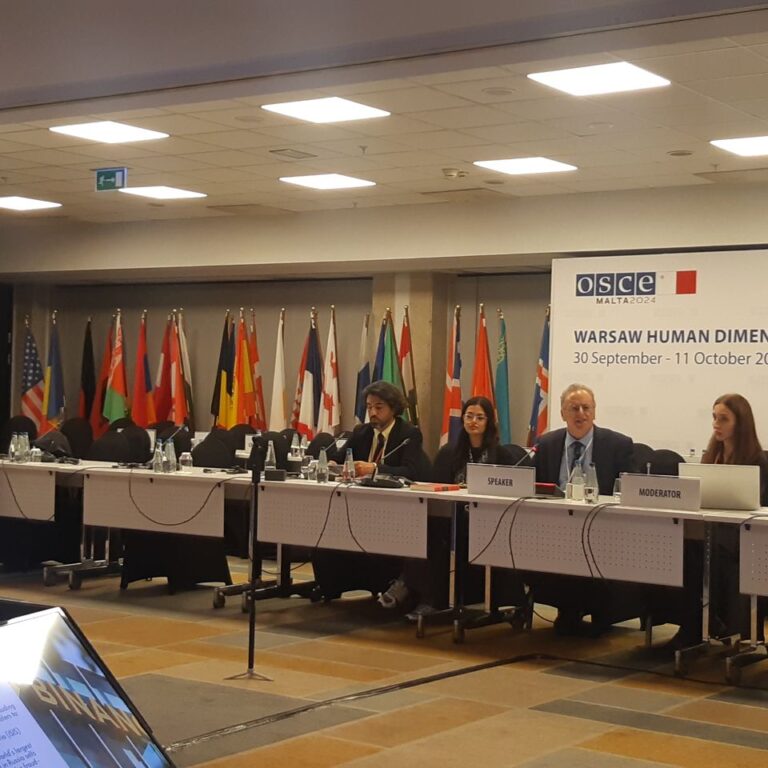
In the framework of the 2026 Warsaw Human Dimension Conference, which ended on October 15, the ARC expert Borys Babin took part in several important side-events, discussing with their convenors and participants the Russia-committing ethnic repressions in the occupied territories of Ukraine, including Crimea.
At the event “Russia’s Policy of Unlawfully Detaining Ukrainian Civilians: Implications for Lasting Peace”, convened by the Ukrainian Legal Advisory Group, our expert reminded of criminal attempts of the aggressor’s punichers to use the Europe-residing relatives of the victims of repressions as the agents of influence of Russian intelligence in their spy and sabotage activities against democratic states.
Event participants stressed that Russia’s enforced disappearance of Ukrainian civilians is not the isolated conduct of individual punishers or military men but a systematic, coordinated policy of the Russian state, implemented through a structured system of occupation and repression.
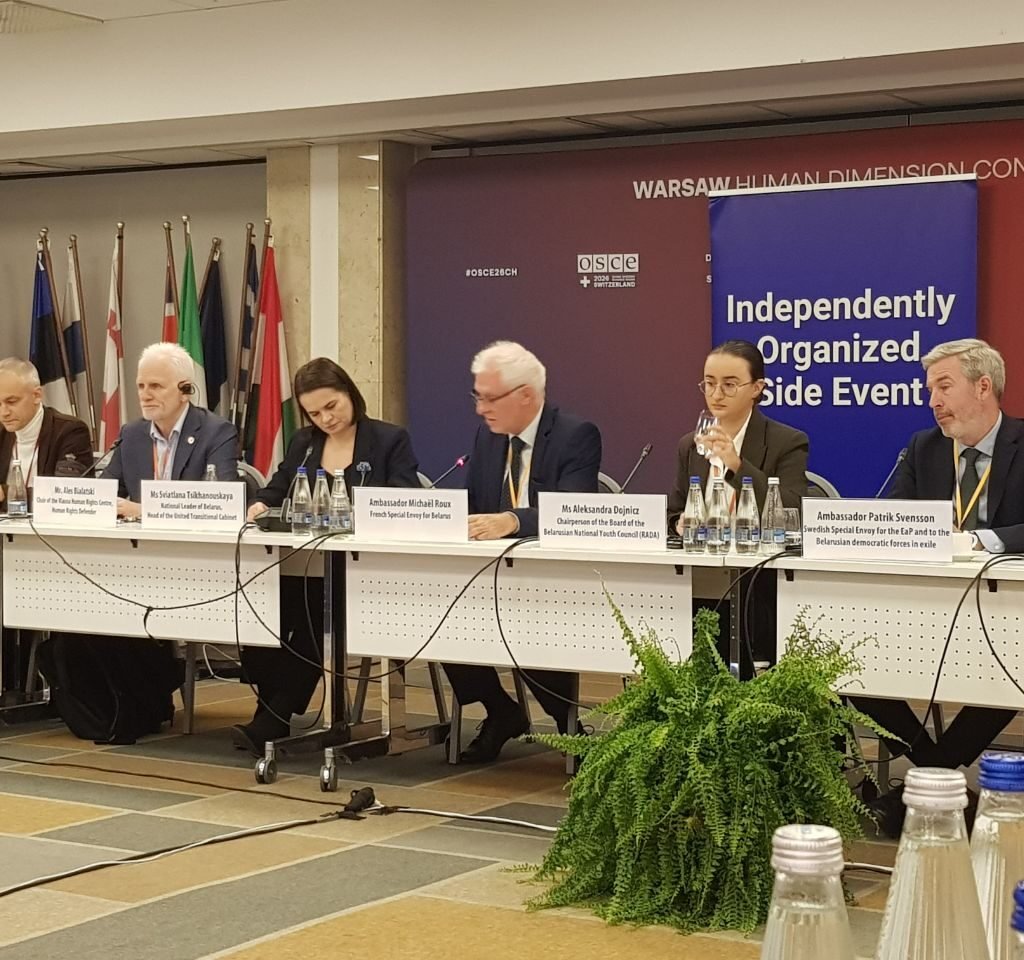
At the fields of the event “On Sustaining National and Cultural Identity in Authoritarian Belarus. The Belarusization from a Youth Perspective”, convened by 30 permanent missions to OSCE, including the Ukrainian one, Professor Babin discussed with Sviatlana Tsikhanouskaya, Head of the United Transitional Cabinet, the Russian attempts to use so-called “Crimean Belarusian representatives” as a tool of propaganda and fake “agreements” and “communications” with the current Minsk regime.
Issues of illegal “economic cooperation” of Minsk and Russia-occupied territories of Ukraine and relevant attempts to circumvent sanctions, including the relevant maritime issues, were also discussed.
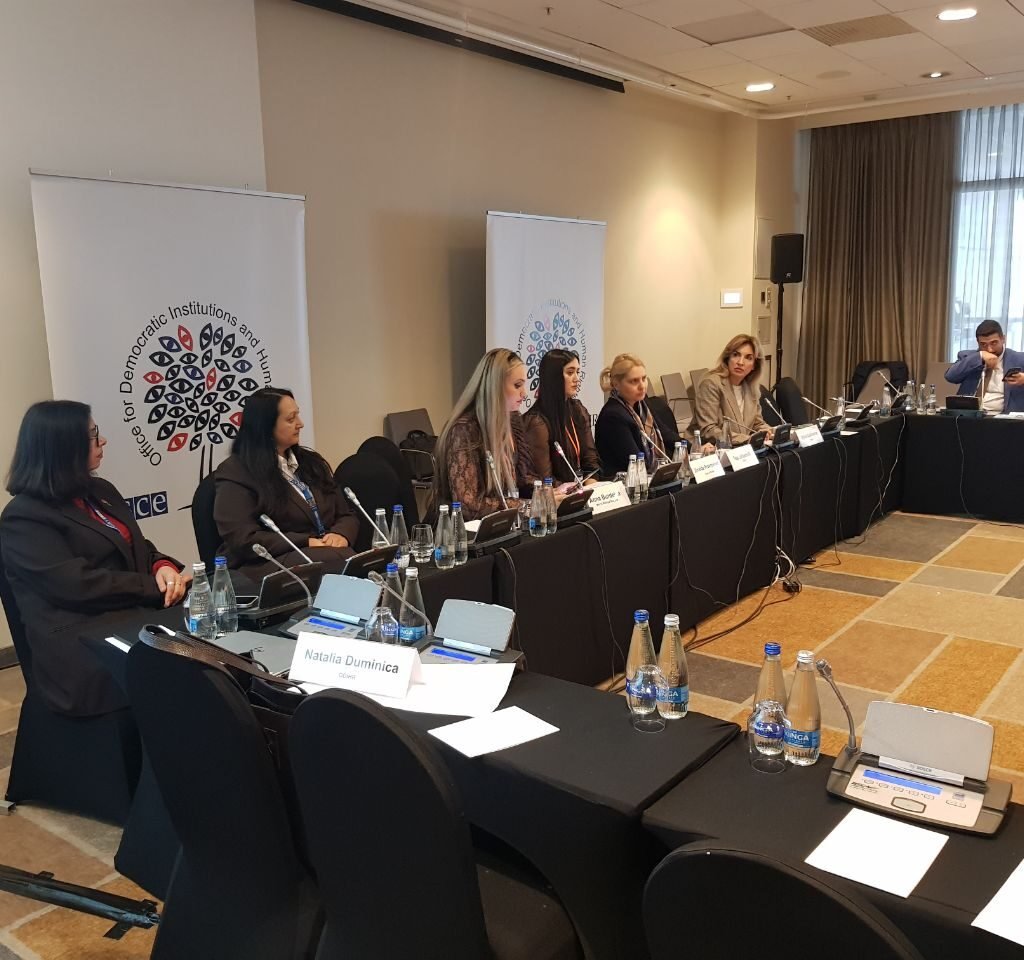
At the event “Strengthening the Responsive Capacity of Roma and pro-Roma Human Rights Defenders in Ukraine”, convened by the OSCE ODIHR, our expert reminded of repressions against Roma in the Russia-occupied territories and relevant growth of anti-Romanism there.
The event also focused on the experiences and perspectives of Roma rights activists in the context of the ongoing Russian aggression against Ukraine, focusing on both the challenges they face and opportunities to strengthen their work.