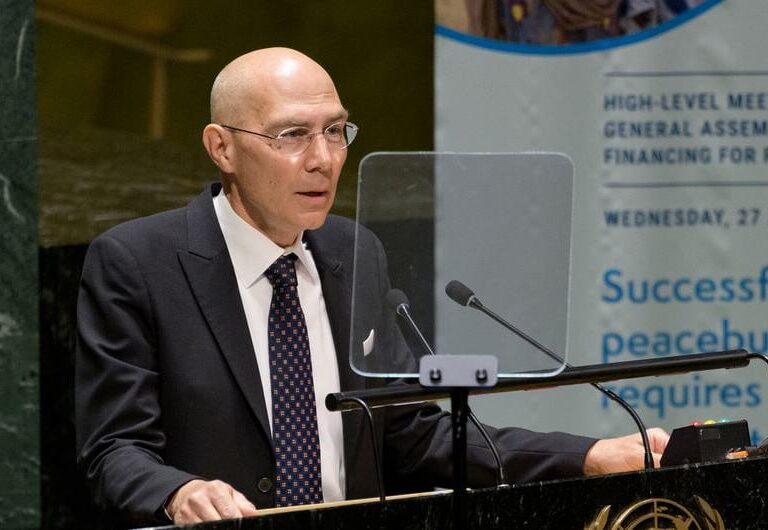
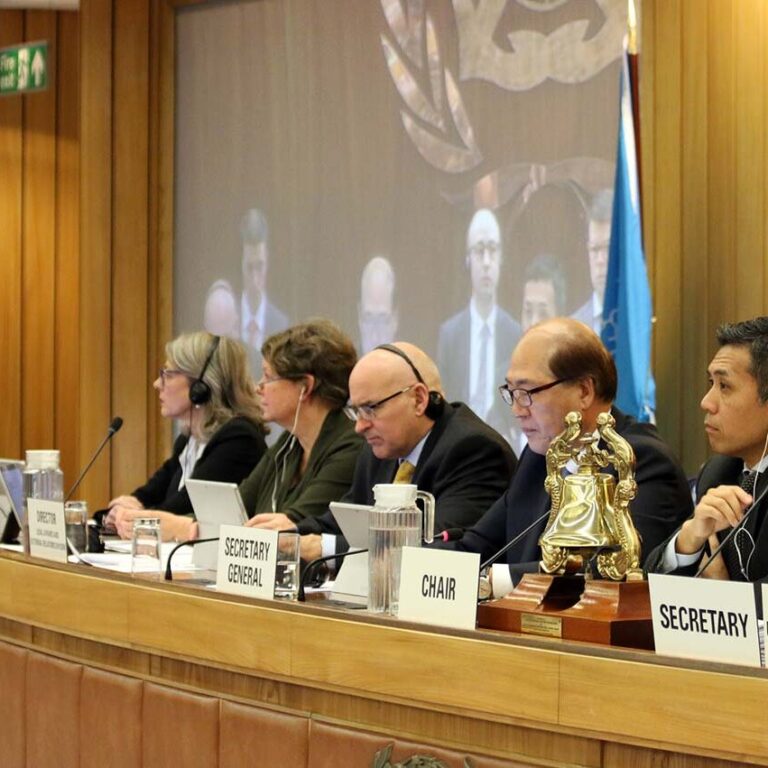
In the framework of permanent cooperation with United Nations’ structures, our Association informed in March the Special Rapporteur on toxics and human rights, Professor Marcos A. Orellana, about the negative impact of Russian aggression on the Ukrainian environment.
ARC’s submission, prepared by Professor Borys Babin and other experts, and published at UN official web-sources this week, reminded on negative consequences of Russian aggression, directly connected with environmental challenges and maritime safety and security in Black Sea and Sea of Azov including waters, adjacent to the Crimean peninsula, and relevant challenges for human rights, our expert publications were added to the submission.
ARC’s submission stressed that till March, 2025 Ukraine has recorded over 8,000 cases of environmental damage as a result of military actions; the total amount of damage has already reached almost EUR 85 billion.
Submission added that more than 230 million tons of carbon have been released into the air, that a quarter of Ukraine’s territory remains mined and contaminated with ammunition, and that 850 thousand hectares of forests are under occupation and in the combat zone.
Submission reminded on IMO Resolution A.1183 (33) adopted on 4 December 2023, reflecting the challenges of Russian aggression to maritime environment, also as on destruction by Russian troops the Kakhovka Hydroelectric Power Plant on June, 2023, and submission described relevant aggressor’s disinformation and manipulation companies.
ARC’s submission described again to the UN Rapporteur the catastrophic situation connected with Russia’s aggression, happened on December 15, 2024 when the Russian tankers “Volgoneft-212” and “Volgoneft-239” sank in a storm near the Kerch Strait, also pointing on the occupiers’ negligence and disinformation campaigns on that issue.
Submission added that Ukrainian, Estonian, Georgian lawyers, ecologists and maritime experts pointed out that the consequences of the current catastrophe will be in the Black Sea waters for more than twenty years, and that relevant risks cover waters of Bulgaria and Romania.
The submission also mentioned a letter to our Association on that issue from the Director of the IMO’s Marine Environment Division and described relevant petitions, sent to UN bodies about negative consequences of that catastrophe, prepared by us and by Mejlis of Crimean Tatar People.
Submission added that the tankers’ catastrophe brutally violated the relevant human rights of Crimean population, including indigenous Crimean Tatar people, as right to development, right to health, right to food and water, violated the local entities collective interests, violated principles of environmentally sound management, adequate housing, equitable international order and international solidarity.
Relevant thematic report of Special Rapporteur Marcos Orellana will be presented to the UN General Assembly in October 2025.