Issues of the Russia-committed international crimes against the environment, including the aspect of ecocide qualification, are the sustainable topic of our Associaiton’s researches.
ARC expert publications exposed Russia’s propaganda fakes on the destruction of the Kakhovka Dam, on Black Sea pollution, on illicit “claims” regarding the so-called “water blockade,” etc.
ARC submissions about Russia-committed ecocide crimes were sent to the UN Working group on peasants, to the UN Special Rapporteur on toxics and human rights, to the UN Special Rapporteur on the human right to a clean, healthy and sustainable environment, to the UN Special Rapporteur on the promotion and protection of human rights in the context of climate change, to the UN Special Rapporteur on the right to development, to the UN Special Rapporteur on the right to adequate housing, to the UN Special Rapporteur on the rights to water and sanitation, and they were published at the UN official sources and they were reflected also in the relevant reports of the UN officials, like A/80/174, A/79/176 and others.
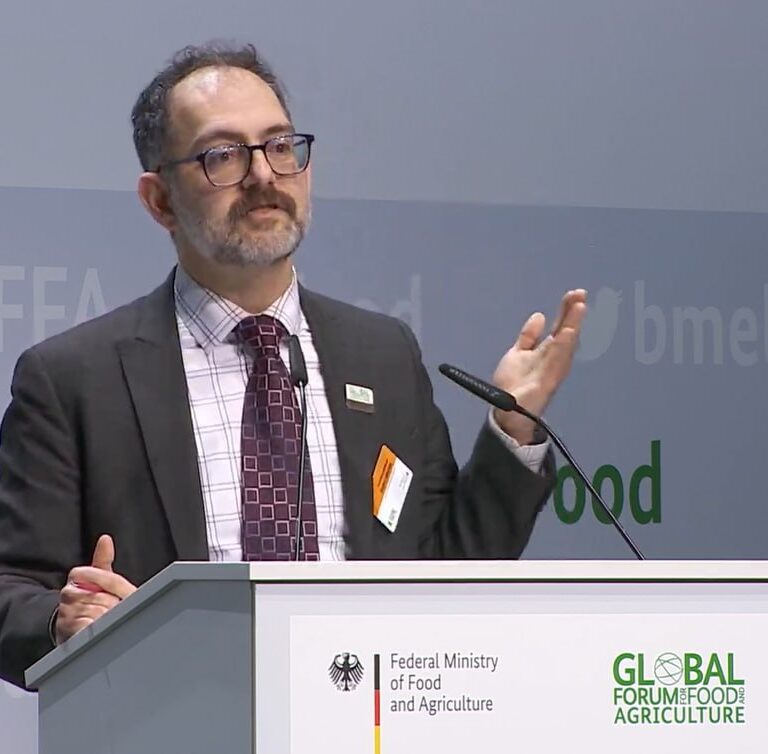
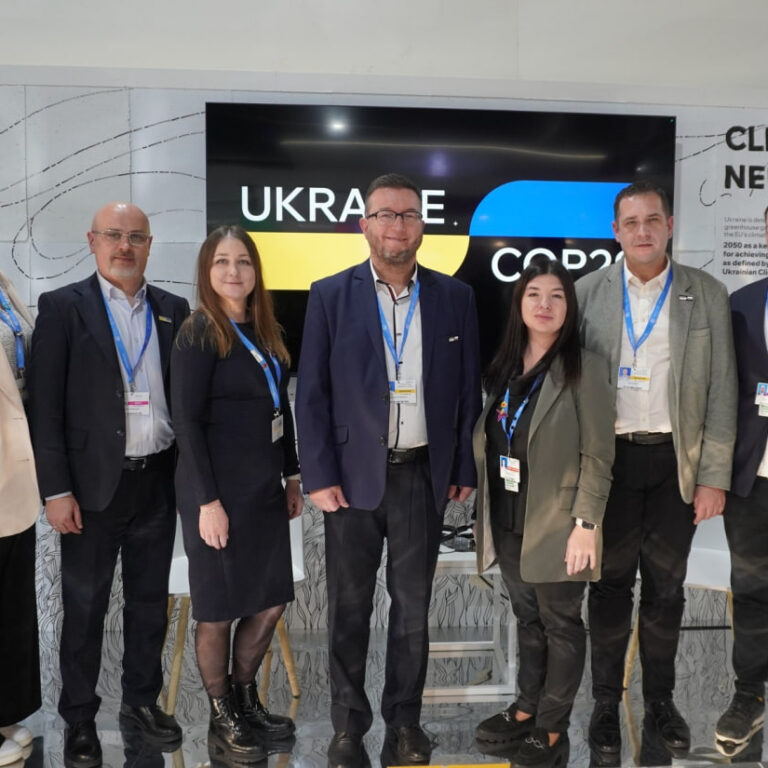
ARC’s expert Borys Babin participated actively in the 27th, 28th, and 29th sessions of the Conference of the Parties to the UN Framework Convention on Climate Change, held in Sharm el-Sheikh, Dubai, and Baku, and also in the Conference of Participating States of the Convention on Biological Diversity, held in Colombia, reporting on Russian crimes against the Ukrainian, regional, and global environment.
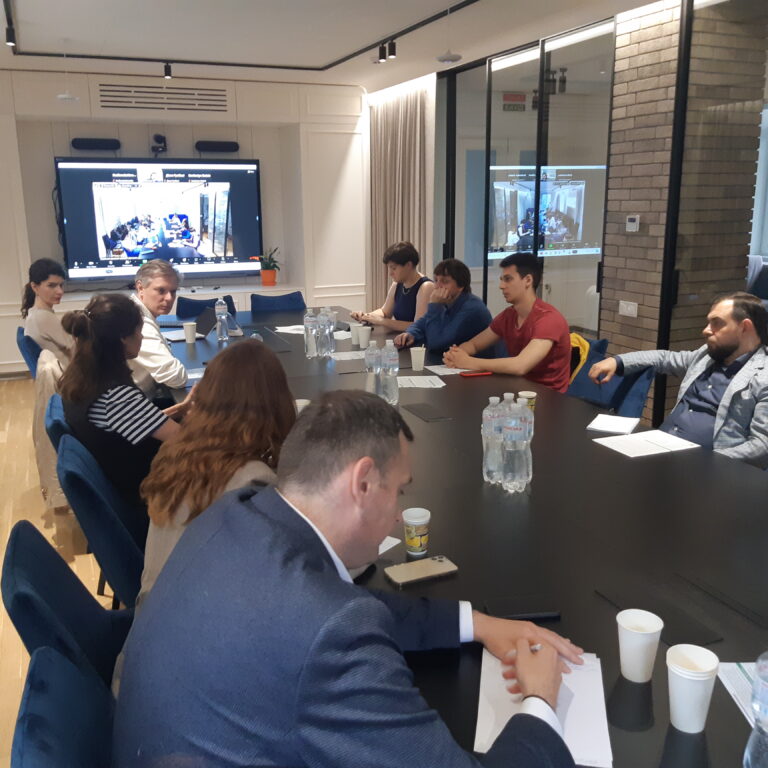
Also ARC experts reported online and offline on those issues at the OSCE high-level conferences in Warsaw and Vienna, at the World for Ukraine Summit, at the summits of the International Crimea Platform, at the sessions of the World Law Congress, etc.
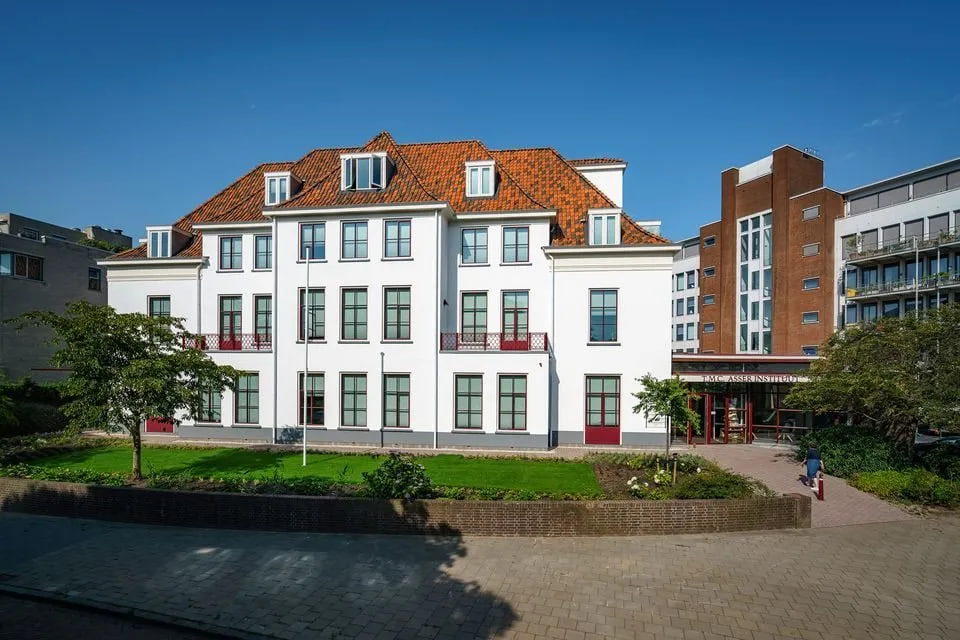
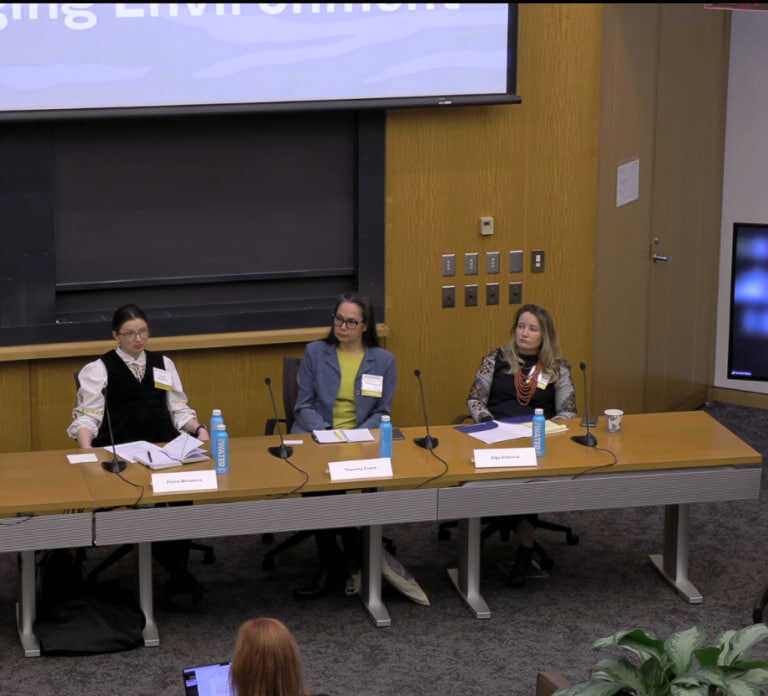
ARC experts reminded on those issues also at the meeting of the International Council of Experts on Investigating Crimes Committed in the Conditions of Armed Conflict, at the conferences held by the Harvard University, by the Asser Institute in The Hague, by the University of Paris Nanterre, by the Center for Civil Liberties, by the International Renaissance Foundation, by the Ukrainian Center for Peacebuilding and at the environmental events of Lviv Book Forums and Kharkiv International Legal Forums.
Those ARC experts’ researches were reflected in the collective monograph “Crimea: from Regional and Global Perspectives” published in Ankara, and in the Turku-located Centrum Balticum “Pulloposti” edition.
And now, in April, the chapter “Lawfare Against Ecocide: How Ukraine Prosecutes Environmental Crimes Committed During Armed Conflict” was published in the collective monograph “Ecocide: Criminalizing Serious Harm against the Environment” in the Asser Institute.
ARC experts Borys Babin and Oleksii Plotnikov stressed in the chapter that nature is a silent victim of the Russian aggression against Ukraine, with attacks in the vicinity of nuclear objects, natural reserves becoming battlegrounds, air, land, and water becoming contaminated with debris and chemical substances, and with animal species being decimated.
At the same time, the chapter stressed, Ukraine is one of the few nations in the world to have criminalized ecocide as a crime distinct from other crimes against nature. The research, as the Asser Institute stresses, will open with an overview of the environmental damage caused by the conflict resulting from the Russian aggression against Ukraine and will proceed with the description and analysis of the Ukrainian legislation on ecocide.
The chapter addressed the investigations of ecocide run by Ukraine and explained the challenges encountered by the Ukrainian authorities in the investigation of environmental damage resulting from armed conflict. The official presentation and discussion of that extremely important research will be held by the Asser Institute on the 8th of June in The Hague.