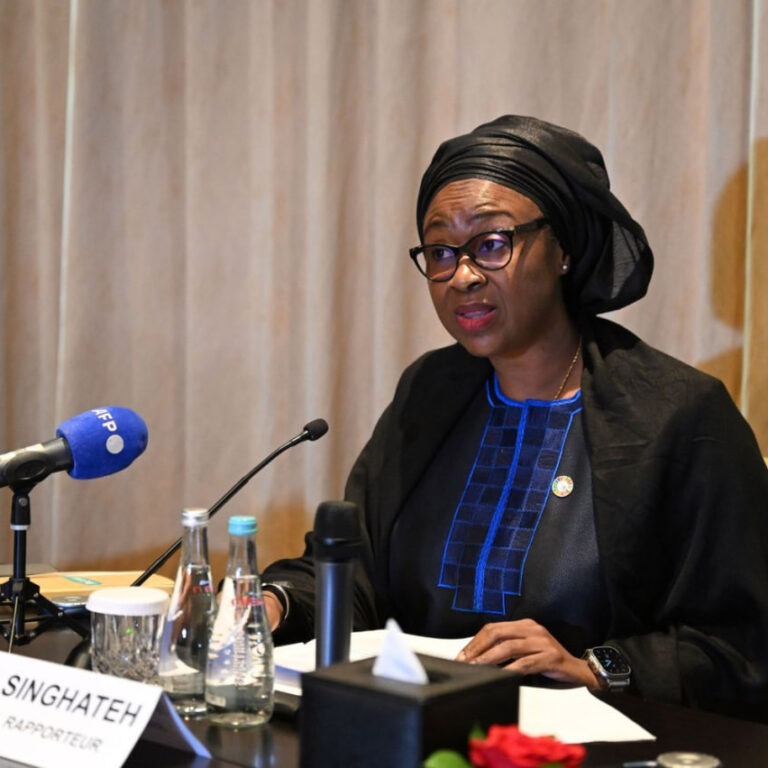
In the framework of permanent cooperation with United Nations’ bodies and officials, our Association informed the UN High Commissioner for Human Rights for his report on sustainable HIV response with regard to the human rights of persons living with HIV, executing demands of the Human Rights Council’s resolution 56/20.
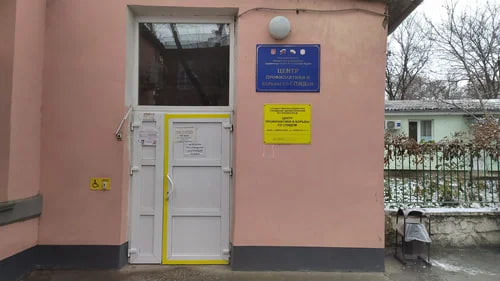
ARC submission on that issue, prepared by Dr. Olexiy Plotnikov, Dr. Andrii Chvaliuk, and other experts, and published on UN official web-sources now, described the situation with HIV and AIDS in the Russia-controlled territories of Ukraine, including Crimea.
ARC submission stressed that Russian ‘policy’ in Crimea caused, since 2014, a strong negative impact on the health care system of the peninsula, which resulted in the absence of an adequate quantity of medical personnel in Crimean hospitals, the usage of non-effective medical protocols, drugs, and vaccines.
ARC submission added that Russian “authorities” did not adopt the “HIV socio-economic response and recovery plan” in Crimea, and they didn’t use the human rights-based approach in medical issues, also as the human rights and gender-sensitive indicators in this area show, that the policy of Russia-controlled “authorities” in Crimea is far from compliance with the Political Declaration on HIV and AIDS, adopted by the General Assembly resolution 75/284 in 2021.
Regarding the Ukrainian AR Crimea’s Program on HIV Prophylactic № 1513-5/09, adopted in 2009 that was in force till the Russian occupation started, there were 9267 HIV-positive persons in the Crimea before the occupation; the injecting drug use was determined as the main factor of HIV dissemination.
Later de-facto “authorities” declared that there were 12.4 thousand HIV-positive persons in Crimea in October 2021, and allegedly 8.7 thousand of them got antiretroviral therapy only, recognizing that the quantity of the HIV-positive patients rises in Crimea as a part of the patients “resettles from Russia to Crimea.”
ARC submission pointed out that the absence of coordinated programs and degradation of Crimean medicine violate the demands of the Political Declaration’s articles 46 and 50 on global health responses and strengthening health systems, on steady increases in domestic HIV investment, and on the importance of public policies, finance, and capacity-building. Russian propaganda in Crimea violates the Declaration’s article 65 on the duty to eliminate HIV-related stigma and discrimination. HIV-positive migration to Crimea in the framework of Russia’s illegal colonization violates the Declaration’s articles 58, 59, 60, and others on states’ duty to effectively prevent HIV dissemination.
ARC submission added that there were practically no test systems and drugs against HIV in Crimean pharmacies and medical institutions during last years. At the same time, Russian propaganda declared that allegedly “relevant products manufactured” by the aggressor are widely represented, which was not true. However, even the Russian test systems for HIV, available in certain structures, have, as local doctors reported, minimal accuracy and do not reliably diagnose HIV.
Russia-controlled medics declared that “the main route of transmission of this infection is sexual” in the region, allegedly in “85.7% of the total number of cases,” which differs from the situation before 2014 and is more dangerous.
ARC submission summarized that it would be beneficial if the UN research would pay more attention to the situation with HIV and AIDS in zones of interstate conflicts and foreign occupation, like modern Crimea and areas of Russia-controlled Ukraine’s mainland, especially regarding gender and racial dimensions, rights of children, indigenous rights, rights to life, health and privacy, and the right to sustainable development.