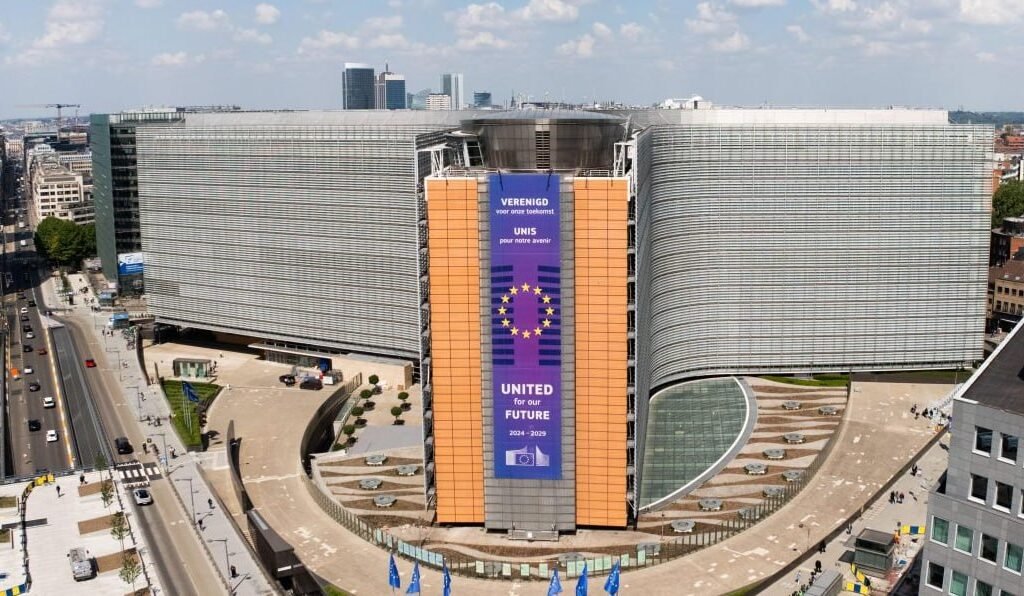
The European Union published the updated Annual Report 2025 on Human Rights and Democracy in the World. The Report mentions the UN country resolutions, namely the human rights situation in the temporarily occupied territories of Ukraine, including the Crimea.
The Report also mentioned the facts of “systematic human rights violations in Crimean detention centres, as documented by the UN and the European Court of Human Rights”. It stressed that “the administrative practice of ill-treatment and denial of medical care to political prisoners at the Simferopol detention centre in Crimea was documented”.
The Report reminded on the grave violations against Russia-deported children in Ukraine, focusing on psychological support for deported or transferred children to facilitate their reintegration, child-friendly access to justice for victims, and access to education. The Report also reminded us of the systematic and systemic torture of Ukrainian prisoners of war held by Russia and addressed the impact of Russia’s war of aggression against Ukraine, including regarding gender-based violence and violations of the rights of the child.
The Report stressed the importance of the Atrocity Crimes Advisory Group for Ukraine, the Joint Investigation Team at Eurojust together with Ukraine, the International Centre for the Prosecution of the Crime of Aggression against Ukraine at Eurojust, the Dialogue Group on Accountability for Ukraine, the Eurojust’s Core International Crimes Evidence Database, the Council of Europe Consultation Group on the Children of Ukraine, the ‘MSCA4 Ukraine initiative’, funded by the ‘Marie Skłodowska-Curie Actions’ under ‘Horizon Europe’, to support research institutions that host Ukrainian scholars and their families.
The report reminded on the establishment of the Special Tribunal for the Crime of
Aggression against Ukraine, the negotiations on setting up a Claims Commission for Ukraine to review, assess and decide on eligible claims recorded in the Register of Damage, and the EUAM Ukraine’s Mobile Unit, also reminding on the role of the OSCE activities, including the Warsaw Human Dimension Conference, where our experts participate actively.
In this framework we may add that the European Commission banned in November the participation in the educational Programme ‘Erasmus+’ for “organisations based and individuals residing in Russia”, which “cannot participate in any of the actions under this Programme in any capacity”, “as well as individuals residing in the territories of Ukraine temporarily occupied by Russia, with the exception of Ukrainian nationals”.
The Programme will also continue the effort to mitigate the socio-economic and educational consequences of Russia’s war of aggression against Ukraine, including by supporting projects that promote educational activities and facilitate the integration of people fleeing the war in Ukraine into their new learning environments, as well as activities supporting organizations, learners, and staff in Ukraine.
Let us remind that our Association systematically informed the European Commission about the illicit activities of Russia-controlled Crimean and Sevastopol “high educational institutions.” Also, we proposed to the EU to enforce the support of Ukrainian youth who want to resettle from Russia-occupied territories of Ukraine in the realization of their educational rights.