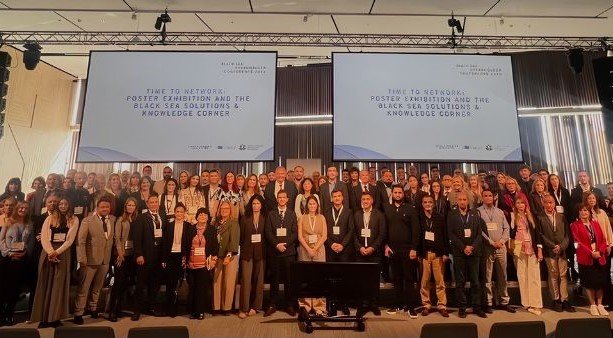
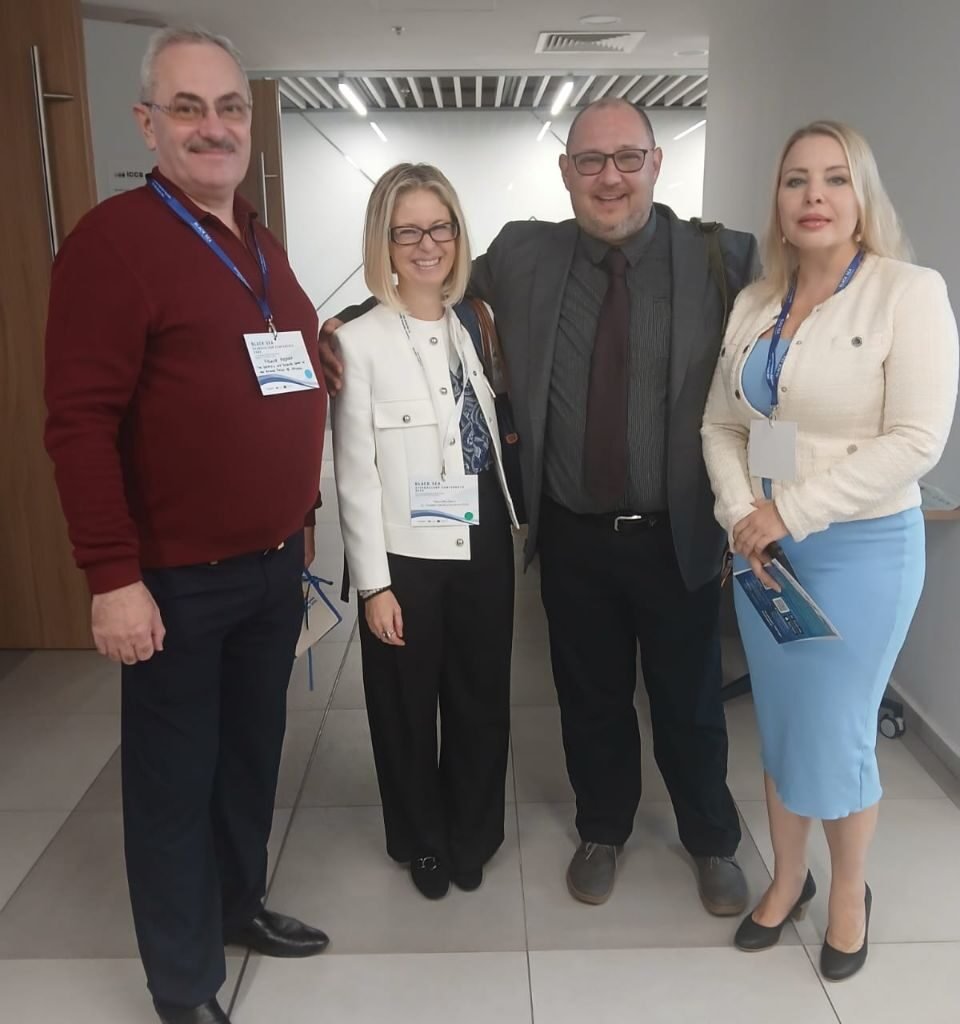
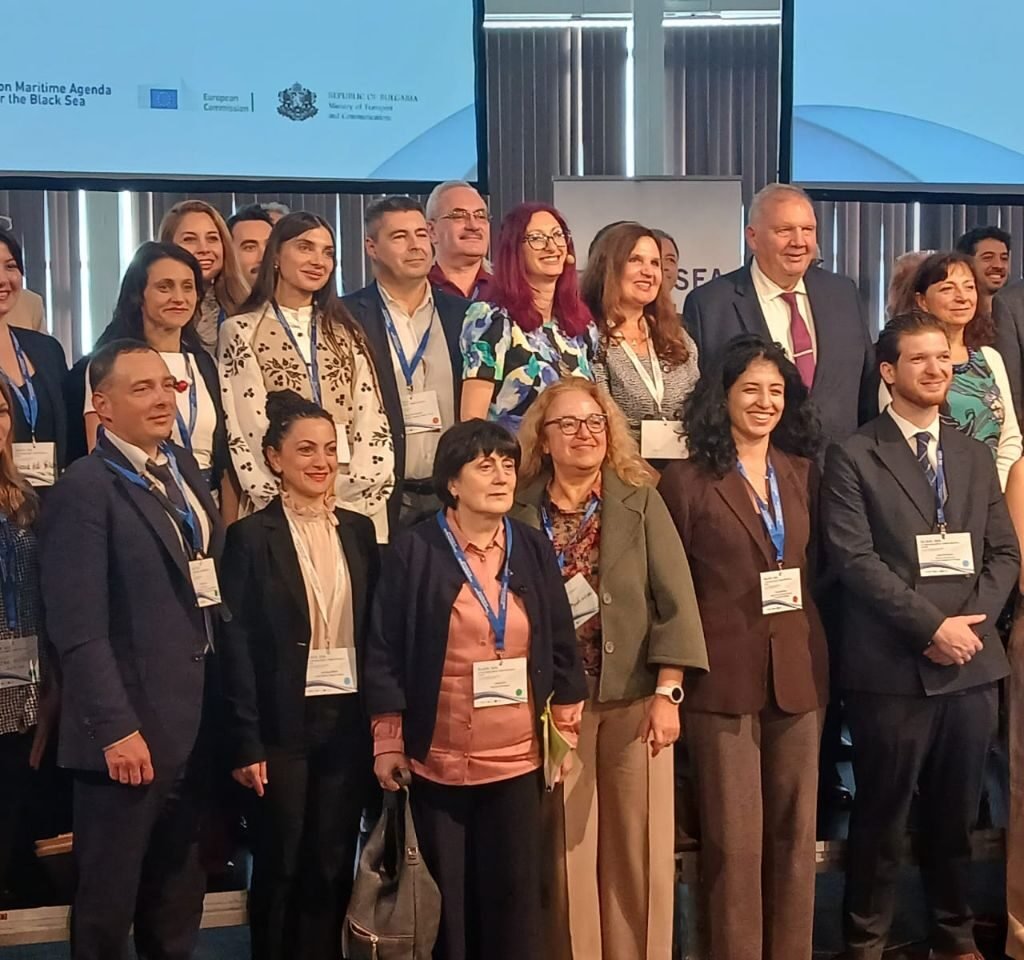
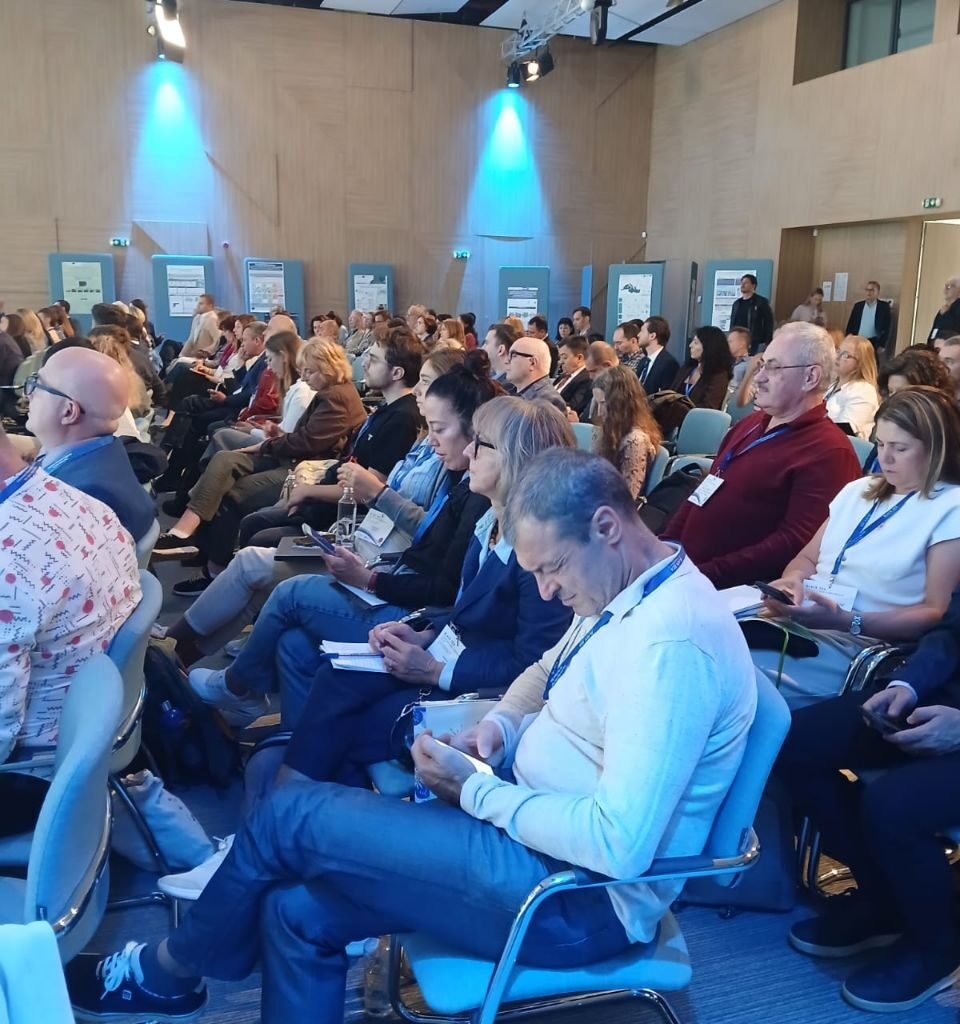
On September 30, Eduard Pleshko, an expert from our Association, actively participated in the Common Maritime Agenda (CMA) for the Black Sea Stakeholder Conference, a key event of the “CMA Black Sea Week” held in Burgas, Bulgaria.
The Common Maritime Agenda (CMA) for the Black Sea is a EU sea basin initiative to enhance regional cooperation for achieving a sustainable Blue Economy in the Black Sea. It is developed in the broader framework of the Black Sea Synergy. It is the first initiative of its kind in the region, resulting from a bottom-up process initiated by the countries involved and backed by the European Commission.
The conference in Burgas serves as a platform for a series of engaging, interconnected meetings, workshops, and other events designed to foster networking and project development within the Black Sea region and beyond.
Participants in this major international event discussed progress in implementing the CMA for the Black Sea, shared experiences regarding ongoing initiatives, and identified new priorities for the coming years.
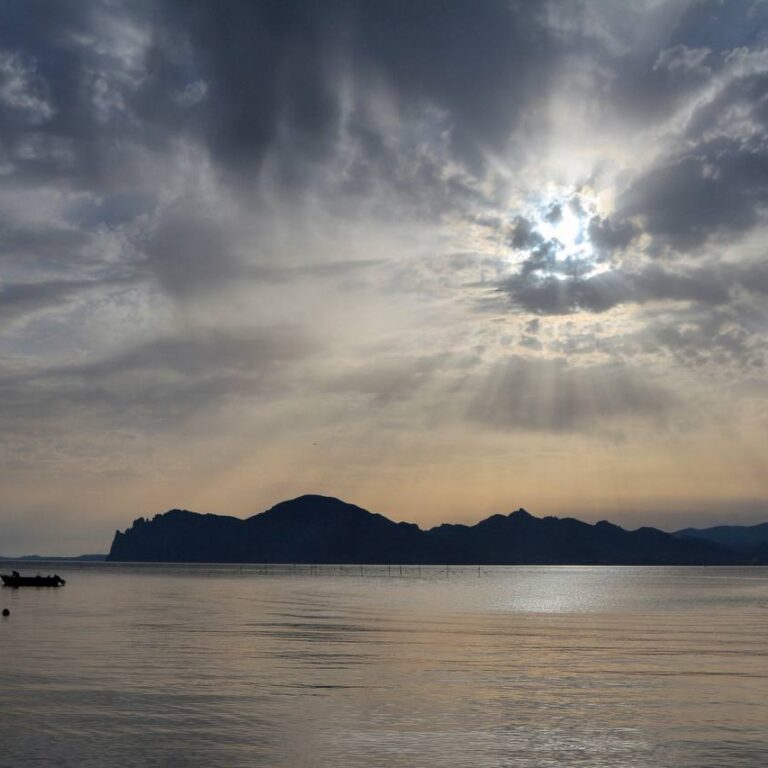
Collective efforts foster environmental protection, innovation, resilience, and the sustainable development of the region’s blue economy, while simultaneously strengthening connections among stakeholders working toward shared goals. Given the situation in occupied Crimea, our expert prioritized the issues of expanded environmental monitoring, new and promising monitoring tools, and potential ways to effectively mitigate the negative environmental impact of the maritime armed conflict initiated by the Russian Federation as the aggressor.
In cooperation with Ukraine’s National Coordinator, Dr. Serhii Taran, Head of the relevant department at the Ministry of Education and Science, and Mr. Borys Spasov, a representative of the leadership of the Association of Bulgarians of Ukraine, a significant and productive discussion was held with Ms. Irina Makarenko of the Black Sea Commission Permanent Secretariat, as well as with Turkish and Bulgarian colleagues.
The candid discussion focused on the capacities currently lacking among stakeholders for the more effective use of monitoring tools and databases, as well as on practical opportunities to improve existing platforms to better address specific environmental and socio-economic challenges in the Black Sea region.
In discussions with colleagues, Eduard Pleshko shared our Association’s work regarding the international classification of ecocide, countering Russia’s shadow fleet, exposing the schemes of Russian marine insurers and classification societies, and analyzing the aftermath of the Black Sea disasters involving the Russian “Volgoneft” tankers, as well as the threats posed by the aggressor to shipping, the environment, and the coastal infrastructure of the Lower Danube, and presented his perspective on the sanctions response to these developments in the Black Sea basin.