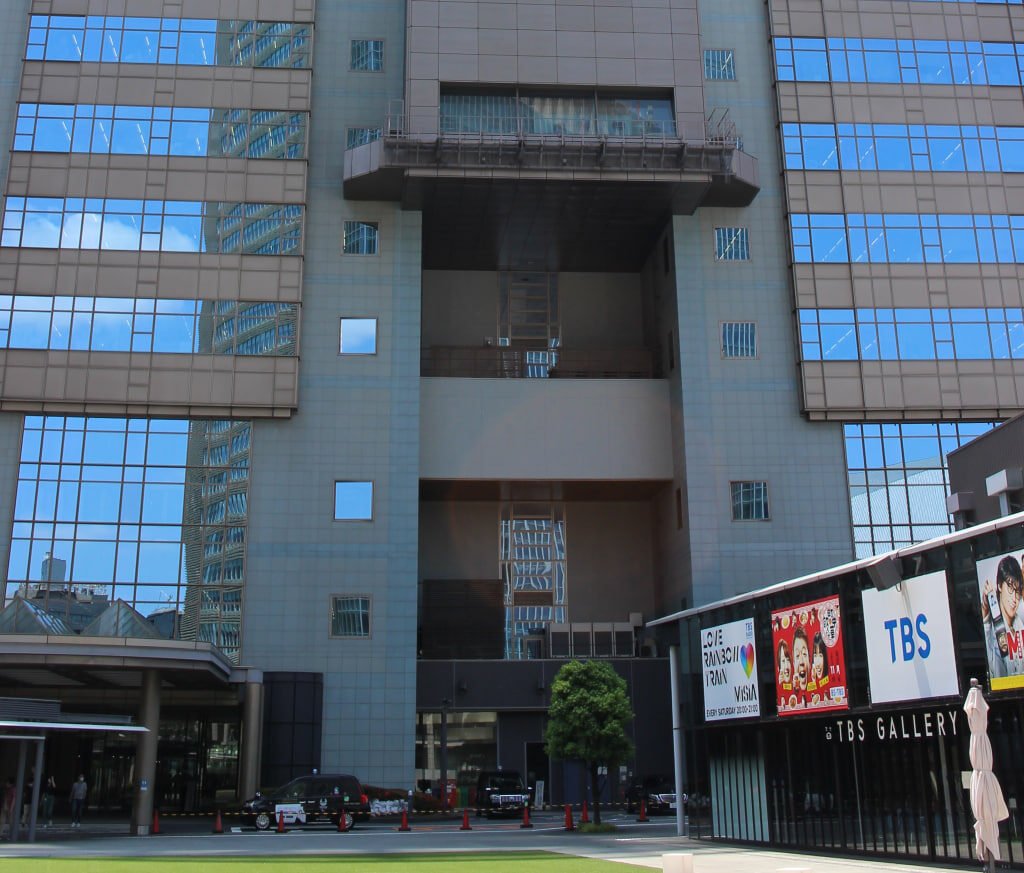
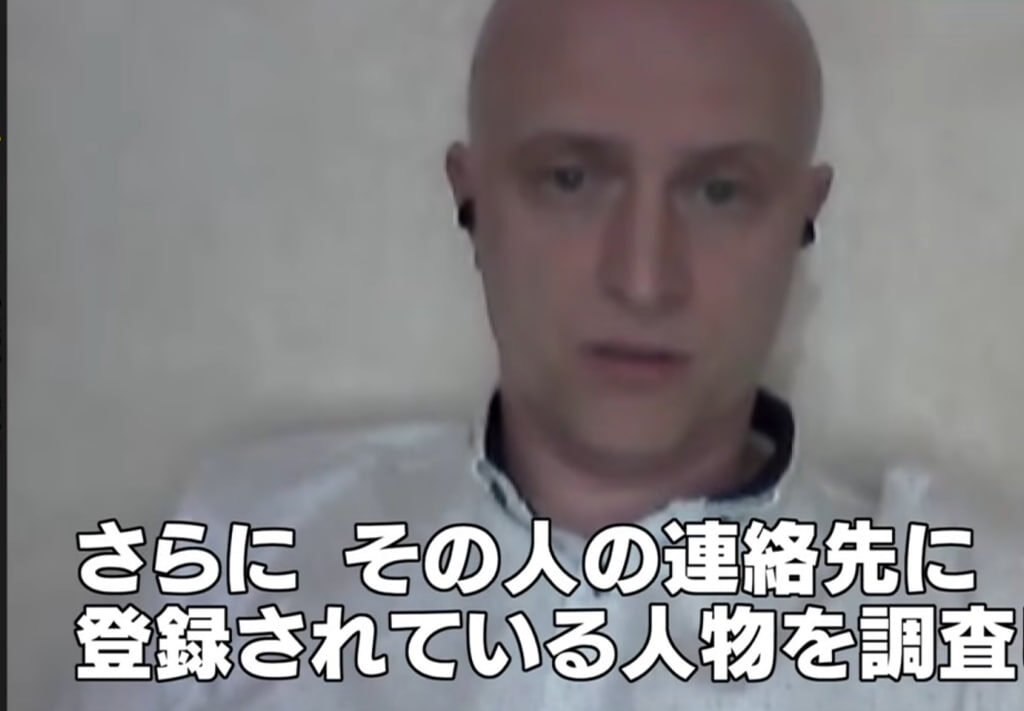
On September 18, Andrii Chvaliuk, an expert with our Association, gave an interview to the Tokyo-based Japanese TV channel “BS-TBS”, aired on the “News 1930” programme, regarding provocations by the aggressor state involving the “MAX” messenger app, particularly in occupied Crimea.
Assistant Professor Chvaliuk emphasized that the occupiers are developing “MAX” not merely as a messaging app, but as a platform for interaction between individuals and the aggressor state, a system for which the Kremlin has established a specific “legislative framework.”
The expert highlighted confirmed links to Russian authorities and the practice of transferring personal data to Russia’s punitive agencies.
He stressed that by consolidating personal data, contacts, and user activity into a single digital profile within “MAX,” the aggressor gains the ability to compile a digital dossier on every individual.
In particular, this enables the remote tracking of a person’s presence at rallies, pickets, or other events deemed undesirable by the occupation authorities, as well as the mapping of their social connections, as the information that can serve as a pretext for interrogations, threats, or detention.
Andrii Chvaliuk noted that the spread of “MAX” is driven not only by advertising but also by administrative mandates; he cited the example of the Yevpatoriia City Hospital, controlled by the Russian occupiers, forcing visitors and patients to use the app for tasks such as “booking doctor appointments, remote consultations, and processing sick leave.”
This creates a way to more firmly tie people’s lives, particularly in occupied territories, to the aggressor’s institutions and services, a link the aggressor will also exploit during “mobilization.”
The expert also highlighted the role of “MAX” in the “Duma elections” announced by the occupying power, noting its function not only during the propaganda and turnout-monitoring stages but also in determining the “voting” results of individual “voters.”