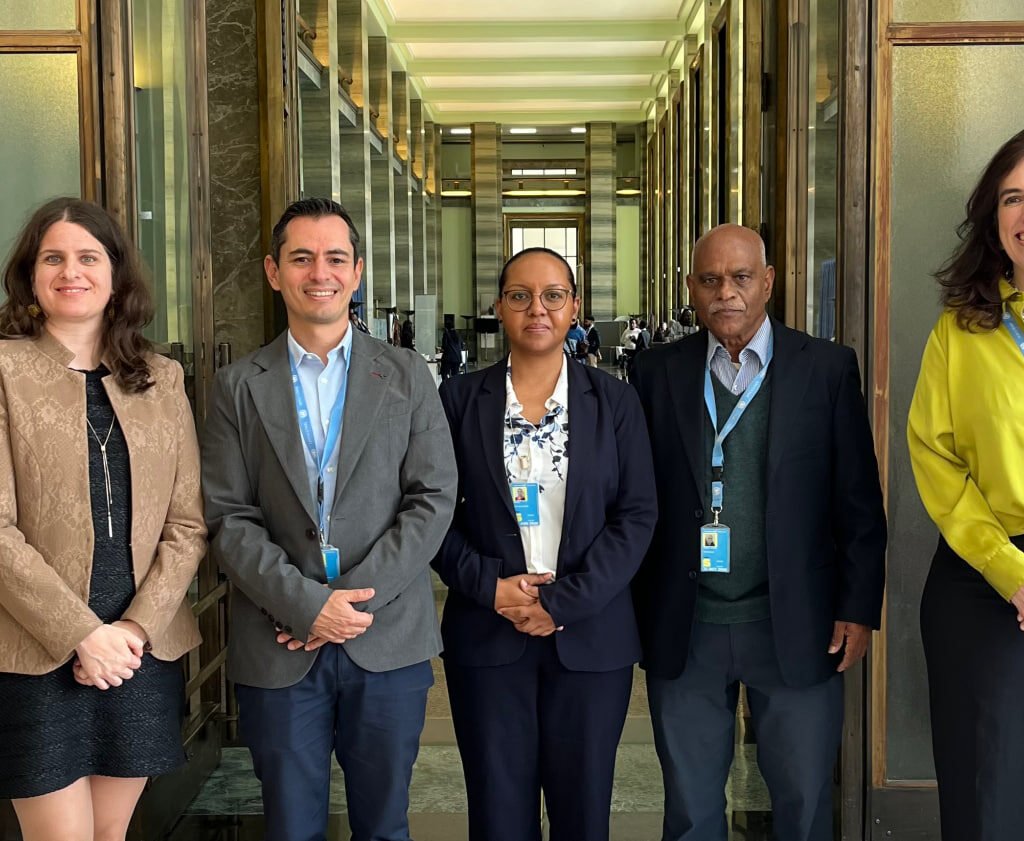
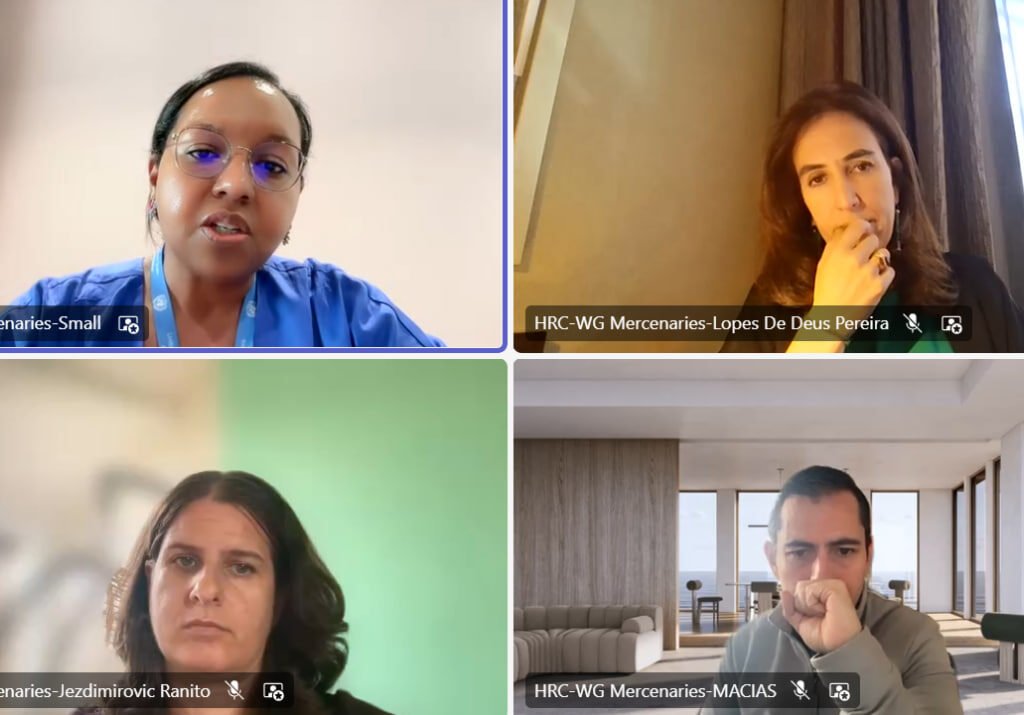
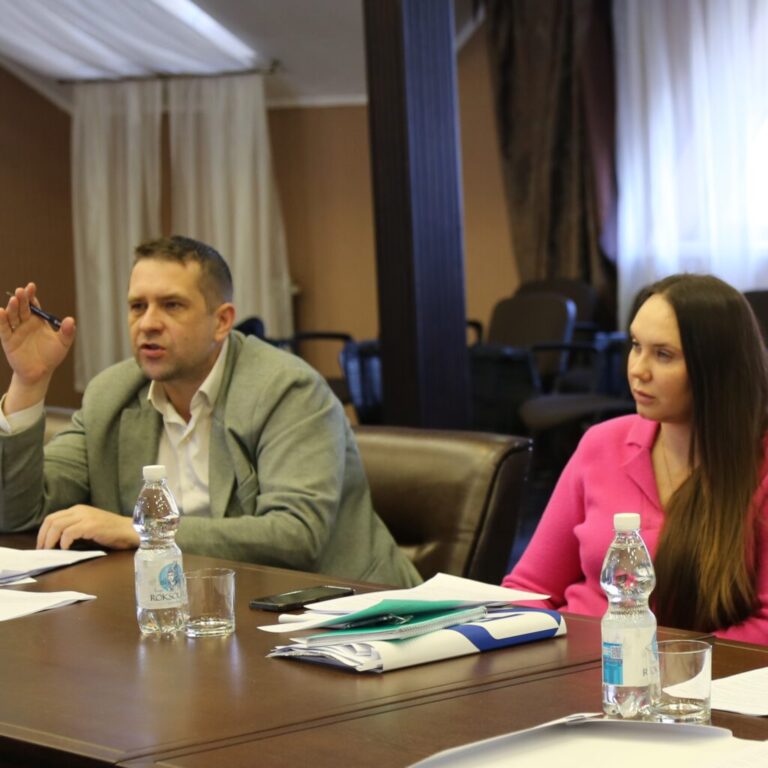
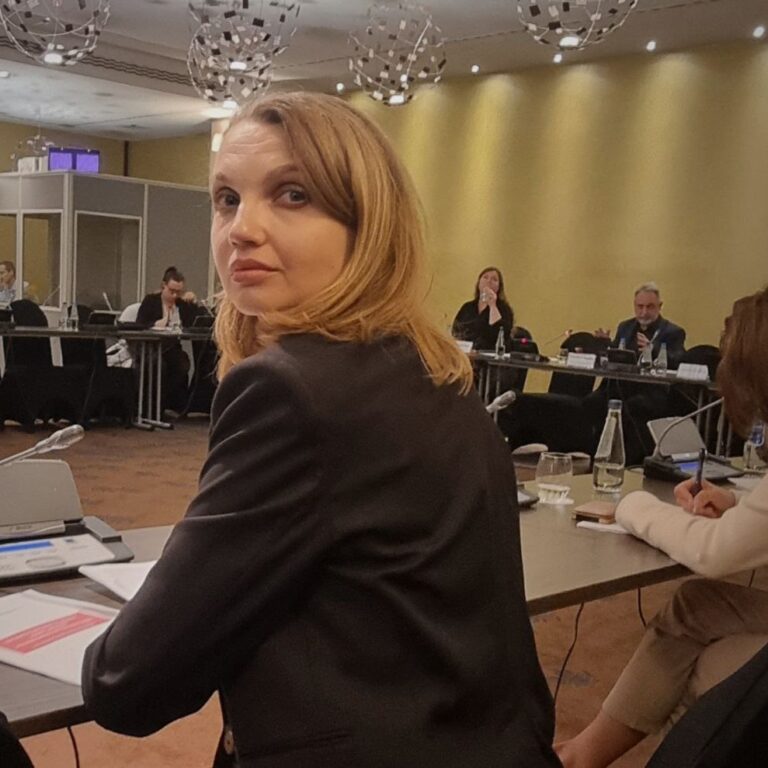
On September 15 our Association’s experts Borys Babin and Anna Prykhodko participated online in Webinar on Technology in the services, operations and activities of mercenaries, mercenary-related actors and private military and security companies, convened by UN in Geneva and devoted to presentation of new Report A/HRC/63/31 of the UN Working Group on the Use of Mercenaries, devoted to the issues of challenges to human rights from modern technologies, such as the artificial intelligence (AI), used by mercenaries.
Let us remind that earlier we sent the submission to that Working Group for preparing this report, describing relevant examples of Crimean business participation as umbrella structures or as hubs for such Russia-controlled mercenaries’ provocations and preparations that conjunct terroristic activities, calls for racial discrimination, and calls for aggressive war, genocide, and war crimes in interstate conflict conditions, which are simplified by AI for committing actors.
Now the Crimean examples, described by us to that Working Group, were reflected in the points 32, 51, 53, 76 and 77 of the Report A/HRC/63/31, including the usage of armed drones for lethal purposes by Russian mercenary-related actors, the usage of facial recognition and behavioural analytics technologies, supplied by foreign commercial vendors, against participants in peaceful assemblies, also as “the deployment of AI-enabled video surveillance to monitor movement and identify dissidents in territories under foreign occupation”.
Report A/HRC/63/31 stressed, on basis of our submission’s thesis about repressions against Crimean Tatars, that the AI technology-enabled activities by mercenaries have direct implications for the right to self-determination, and that “in occupied territories or under de facto external control, biometric artificial intelligence-enabled surveillance and information-shaping technologies have been used to constrain the political, cultural and linguistic life of the affected populations and minorities”.
Report A/HRC/63/31 summarises, on relevant Crimea-committed Russian mercenaries’ international crimes, that the adverse human rights impacts of mercenaries, related actors and companies and their use of technology are harmful and cumulative, which affects women, children, Indigenous Peoples, ethnic and religious minorities, human rights defenders, journalists, students and persons in occupied territories disproportionately.
It also demands to UN to investigate and sanction states that sponsor, recruit, use, organize, equip, train, finance, transit and transport mercenaries, particularly in situations where their service, activities and operations include armed hostilities, concerted acts of violence, human rights abuses, the overthrow of legitimate governments and the undermining of constitutional order, territorial integrity and the right of peoples to self-determination.
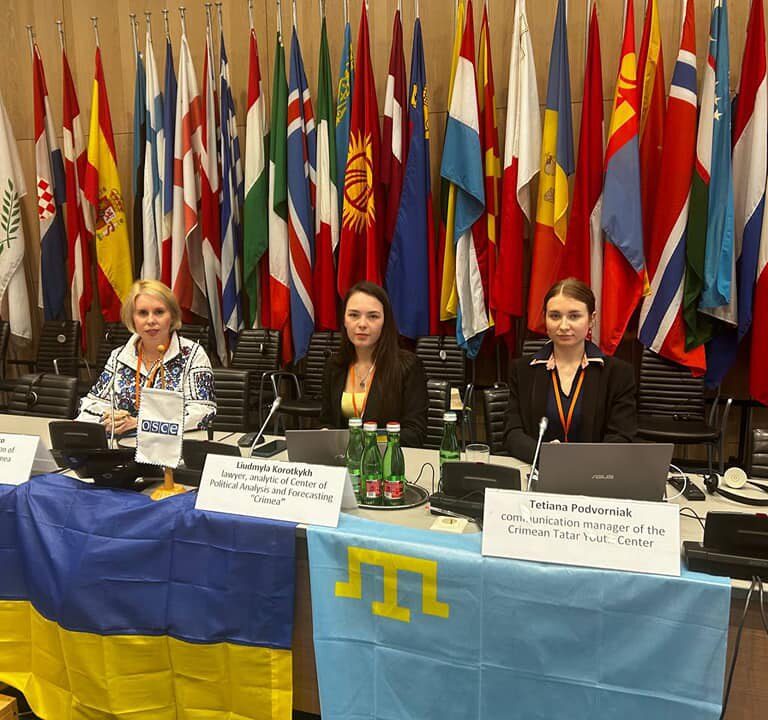
In framework of Geneva Webinar mentioned our experts thanked against the Working Group’s representatives for the work on the Report and added that its proposal on moratorium on the use of AI systems for the use of force and on autonomous weapons that have no meaningful human control must be taken into account togehter with relevant states’ rigths to self-defence and current development of the international humanitarian law, including the ideas of our expert Olexiy Plotnikov, stressed this month in the meeting of the Group of Governmental Experts on Lethal Autonomous Weapons Systems in Geneva.