In the framework of permanent cooperation with the United Nations’ bodies and officials, our Association informed UN OHCHR for the Office’s Report A/HRC/62/62 “Accelerating Progress Towards Preventing Pregnancy among Adolescent Girls”.
The ARC’s submission, prepared by Anna Prikhodko, Andrii Chvaliuk, and other experts and published on the official UN web sources now, stressed the Crimean examples of sexual exploitation of children, including girls, by the criminal groups connected with key Crimean collaborators and the Russian intelligence services.
Relevant links of the case of Jeffrey Epstein with the ethnic group from Yalta that was engaged in child prostitution and pornography were reminded, also as the investigations of relevant war crimes against women and girls, committed by Russia-controlled persons during the ongoing aggression against Ukraine.
The ARC’s submission also described the voluntaristic campaign to ban abortions in Crimea, and to stimulate adolescent girls’ pregnancy, allegedly to “support the demographic situation,” which was started by the Russian de-facto “authorities” since 2023.
The ARC’s submission stressed that Russian occupational “authorities” increased maternity benefits in Crimea since 2026 for female students and even schoolgirls, and since 2025, Russia-controlled colleges and universities in Crimea started a propaganda campaign for pregnancy that covered the underage students also.
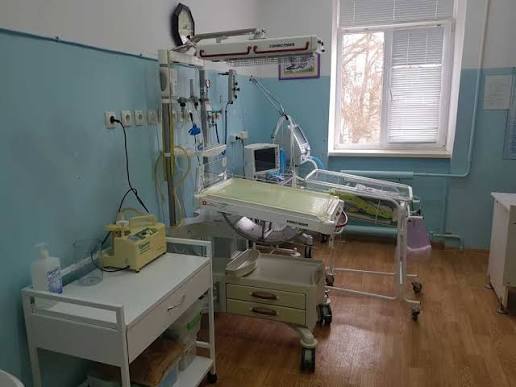
The ARC’s submission added that in 2025, Russian punitive structures started repressions against some Crimean Tatar women, who wrote appeals to the Kremlin’s administration regarding the activities of an organized crime group within the “ministry of health” and relevant negligence and corruption in the “Crimean Perinatal Center.”
The ARC’s submission stressed that the girls’ rights to access to justice and effective remedies must be researched by the UN in the context of executing the decisions of international courts and of foreign national courts connected with interstate conflicts, with foreign control, and with international crimes, including the violations of girls’ reproductive health.
Also, we stressed that the situations of hostilities and interstate conflict, as well as relevant demands of the Rome Statute, Geneva Conventions, and Additional Protocols, must be taken into account regarding preventing pregnancy of adolescent girls who are victims of trafficking, deportation, indoctrination, propaganda, hate speech, and sexual violence in the conflict and “grey” zones or who reside in the foreign-occupied territory.
Report A/HRC/62/62 confirmed the importance of the submissions received and pointed out that “the challenges associated with the prevention of adolescent pregnancy are exacerbated in conflict and other crisis settings”.
Report A/HRC/62/62 added that the “restrictive legal frameworks, including the criminalization of …abortion care, continue to undermine prevention efforts” and demanded UN states to “prioritize outreach to adolescents who …in remote or conflict-affected areas”.