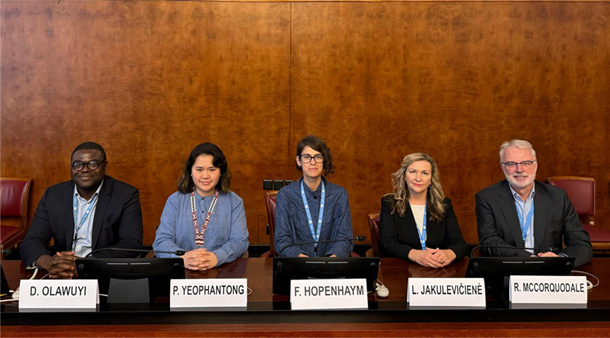
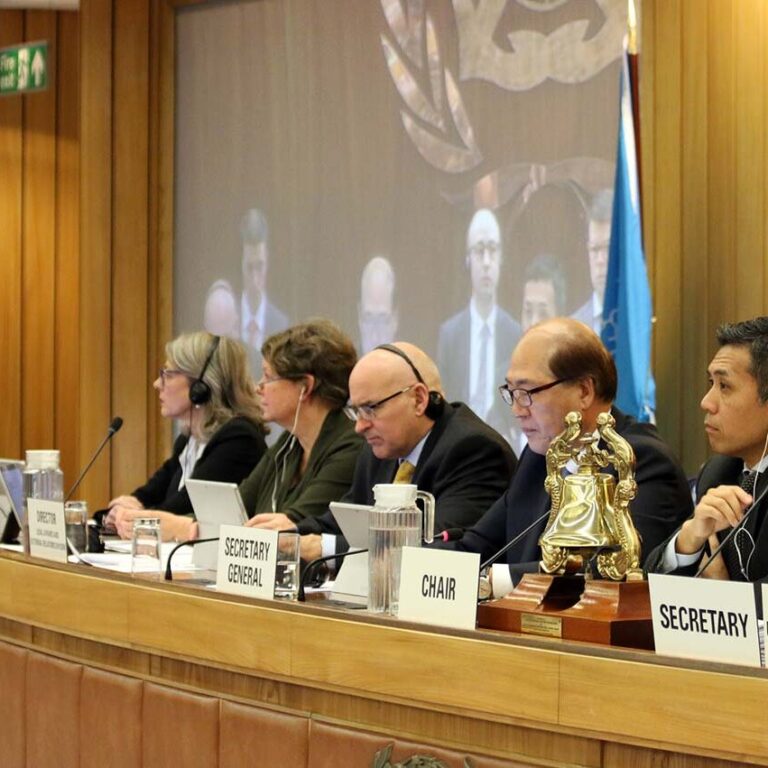
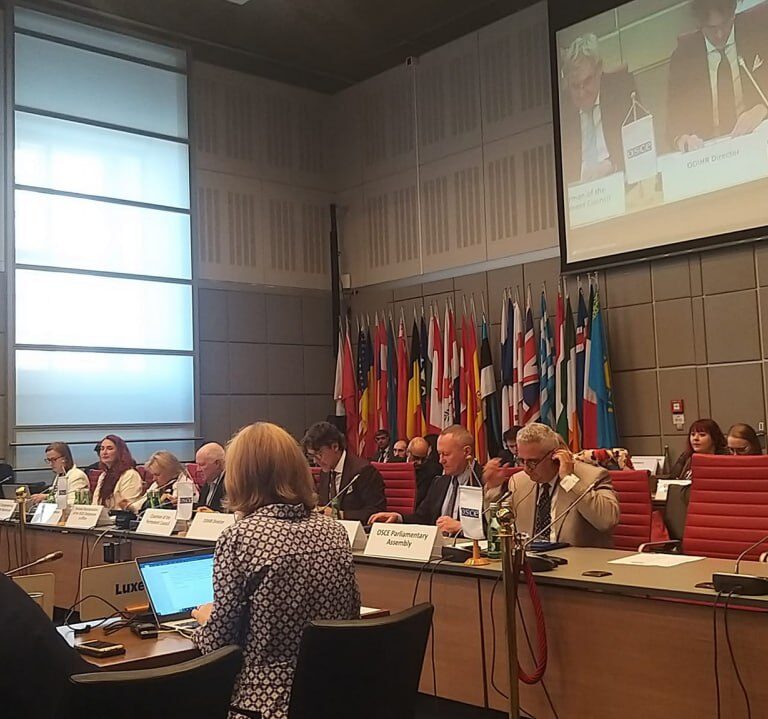
In the framework of permanent cooperation with United Nations’ bodies and officials, our Association sent a submission to the UN Working Group on Business and Human Rights for its report on agribusiness and food security.
ARC submission, published at UN official web-sources now, stressed again that negative impacts of Russian aggression against climate and agriculture include atmospheric pollution due to mass extensive emissions of combustion products, destruction of thousands of square kilometers of forests and plantations near the frontline, as well as natural soils in the combat zone close to the Crimea, due to the intervention of the Russian occupiers in the melioration management and natural watercourses in Southern Ukraine.
ARC submission added that Russian central authorities, military structures, and illegal “governments” in Crimea and Henichesk disseminate a system of fakes regarding events with the destruction of the Kakhovka HPP and catastrophe with Russian tankers “Volgoneft-212” and “Volgoneft-239,” and that all systems of the agrarian sector in modern Crimea are totally ineffective and caused broad-scale growth of prices on basic food products.
ARC submission also described the next challenges for rights to food and sustainable development, escalating in the Russia-occupied Crimea since 2025, when illegal “republican authorities” started a broad-scale campaign of “confiscation” of agricultural land plots, gardens, and vineyards.
ARC submission added that such Russia’s illegal activities made strong challenges for the right to food in conditions of food systems transformation, for the cultivation and preparation of local food by indigenous Crimean Tatar people, and Russia bans any civil society activities for advancing an equitable and sustainable food system in Russia-occupied territories of Ukraine.